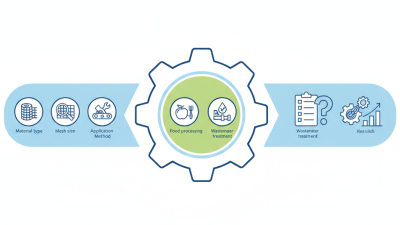
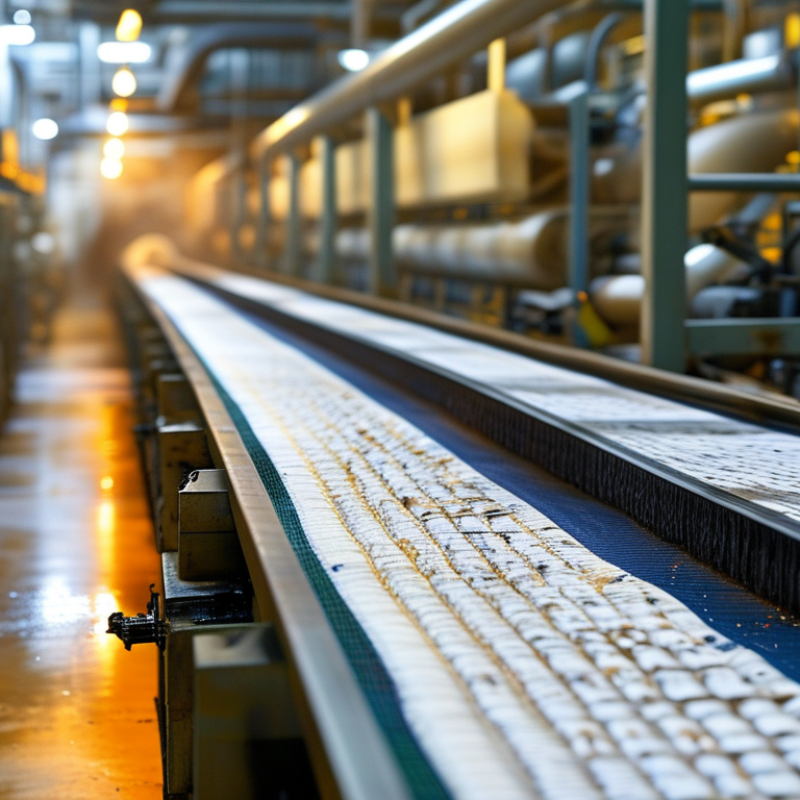
You know, in industrial settings, choosing the right materials can really make a difference when it comes to efficiency and getting things done smoothly. One part that often gets overlooked but is actually pretty important is the Filter Belt. It might sound simple, but these belts are super vital across different industries like food processing, textile work, and even wastewater treatment. They’re designed to do a great job at filtering and draining, which helps everything run more smoothly overall.
Take companies like Balaji Woven Sacks, for example—they get how beneficial a good Filter Belt can be. Thanks to their porous design, these belts can effectively remove liquids while still holding onto solids. That’s a game-changer when you need to separate different materials during production. But here’s the thing—picking the right Filter Belt isn’t always straightforward. You’ve gotta think about the specific industry, the conditions it’ll be used in, and how much maintenance it’ll need.
Any professional worth their salt knows not all Filter Belts are the same. Quality varies a lot, and going for a cheap or low-quality option can cause more problems down the line—that’s something to really watch out for. Honestly, it pays to invest in high-quality belts, because in the long run, they can save you a headache, keep things running smoothly, and prevent issues before they even crop up. Just something to keep in mind if you want your operations to stay hassle-free!
Understanding Filter Belts: Definition and Key Characteristics
Filter belts play a vital role in various industrial processes. These belts are designed for separation and filtration tasks. They are crucial in industries like food processing, mining, and water treatment. Understanding their properties helps in selecting the right type.
Filter belts are usually made from synthetic fibers or woven materials. This gives them strength and durability. They allow effective filtration while maintaining optimal flow rates. A key characteristic is their resistance to chemicals and temperature. This expands their usability across different environments.
Tips: Always consider the material compatibility when choosing a filter belt. This ensures it can handle specific chemicals without degrading. Regular maintenance prolongs the life of the belt, too. Small adjustments in tension may improve performance.
While filter belts offer many benefits, they are not without limitations. Over time, wear and tear can occur, leading to reduced efficiency. Monitoring usage and performing routine checks helps to identify potential issues early. Developing a good understanding of your industrial needs will lead to better choices in filter belts.
The Role of Filter Belts in Various Industrial Applications
Filter belts play a vital role in various industrial applications. They are commonly used in sectors like food processing, mining, and wastewater treatment. According to recent industry reports, the global demand for filter belts is expected to grow at a CAGR of 5.6% through 2027. This growth is attributed to their efficiency in separating solids from liquids.
In food processing, Screen Filter Belts enhance product quality. They ensure that unwanted particles are removed effectively during manufacturing. Moreover, their ability to withstand harsh conditions makes them ideal for various processing environments. In mining, these belts help in dewatering processes, aiding in the recovery of valuable minerals. Their adaptability has been key to advancing operational efficiency.
However, not all filter belts perform equally. Issues like improper maintenance can lead to premature wear or contamination. Industrial practitioners must evaluate their specific needs to select the right type. Understanding material compatibility and environmental conditions is crucial. Filter belts can be the backbone of maintaining productivity, yet attention to detail is vital for optimal performance.
Benefits of Using Filter Belts Over Traditional Belt Options
Filter belts are becoming a preferred choice in many industrial settings. They offer distinct advantages over traditional belt options. One key benefit is their enhanced filtration capabilities. Unlike conventional belts, filter belts can separate solids from liquids efficiently. This is crucial in industries like wastewater treatment or food processing.
Another important aspect is durability. Filter belts are designed to withstand harsh conditions. They resist wear and tear better than standard belts. This property leads to reduced maintenance costs and downtime. Additionally, filter belts improve productivity. Their efficiency allows for quicker processing times. However, selecting the right filter belt requires careful consideration of material and application.
In some cases, businesses may hesitate to switch from traditional belts. The initial investment can be higher. There might also be a learning curve for operators. It’s essential to weigh these challenges against the long-term benefits. Some companies find it hard to justify the transition. Keeping an eye on operational efficiency can help in this reflection.
Why Choose Filter Belts for Your Industrial Needs?
Factors to Consider When Choosing Filter Belts for Your Needs
When selecting filter belts for industrial applications, several factors demand attention. The type of material is crucial. Different materials have unique properties, affecting durability and performance. Evaluating the temperature and chemical resistance of the belt can prevent unexpected failures. Also, consider the Mesh Filter Belt's design. The hole size impacts filtration efficiency. Adequate specifications ensure optimal operation in demanding environments.
Additionally, the installation process should not be overlooked. A poorly installed Mesh Filter belt will lead to inefficiencies. Understanding the maintenance requirements is essential to keep systems running smoothly. Regular checks can identify wear and tear, allowing for timely replacements. It’s also wise to assess compatibility with existing machinery. Mismatched components can cause costly interruptions.
Lastly, don't underestimate the importance of supplier expertise. A reliable supplier can offer insight into material choices and maintenance tips. This knowledge helps make informed decisions, reducing potential risks. Balancing cost with quality is necessary, but always prioritize reliability over price. Seeking feedback from peers can lead to better choices. An informed selection of a mesh filter belt decreases operational challenges significantly.
Why Choose Filter Belts for Your Industrial Needs?
| Criteria | Importance Rating (1-5) | Description |
| Material Quality | 5 | High durability and resistance to wear and tear. |
| Filtration Efficiency | 5 | Ability to capture contaminants and particles effectively. |
| Temperature Resistance | 4 | Performance in high-temperature environments. |
| Chemical Resistance | 4 | Resilience against various industrial chemicals. |
| Maintenance Requirements | 3 | Ease of cleaning and regular maintenance needs. |
| Cost-Effectiveness | 5 | Value for money in terms of longevity and performance. |
| Customizability | 4 | Options for tailoring to specific application needs. |
Maintenance Practices to Ensure Longevity of Filter Belts
Maintaining the longevity of filter belts, especially Wire Mesh Filter Belts, is crucial for optimal industrial performance. Regular maintenance can significantly enhance their life span and efficiency. According to industry reports, proper maintenance practices can extend the operational life of these belts by up to 30%.
One key maintenance tip is to conduct routine inspections. Regularly check for any signs of wear, including frayed edges or loose wires. Early detection of issues can prevent more significant problems down the line. Additionally, it is advisable to clean the belts weekly, as residue build-up can lead to clogs. Over time, this can affect filtration efficiency, increasing operational costs.
Another essential practice is to ensure proper alignment during installation. Misalignment can cause uneven wear and lead to premature failure. It's vital to adjust the tension uniformly across the filter belt. Aim for the specifications provided by the manufacturer, as deviations can dramatically shorten the belt's lifespan. Regular monitoring and maintenance can help in reducing downtime and improve productivity overall.
Innovations and Future Trends in Filter Belt Technology
Innovations in filter belt technology are transforming industrial processes. Today, these belts offer enhanced filtration efficiency, exceeding previous standards. One key trend is the integration of advanced materials. These materials increase durability and resistance to corrosive substances. With this innovation, filter belts last longer and reduce operational costs.
Another exciting development is the use of smart technology. Many manufacturers are now adding sensors to filter belts. These sensors monitor filter performance in real-time. This alerts operators to potential issues before they become critical. Such technology improves reliability and performance efficiency.
Tips: Regular maintenance is essential for optimal performance. Inspections should be scheduled to check for wear and tear. Also, ensure proper installation to avoid excessive strain on the filter. When considering a filtration system, a Cartridge Filter can be a valuable addition. Adopting these innovations helps meet industrial needs effectively.
Cost-Effectiveness of Filter Belts in Industrial Operations
Filter belts offer a unique advantage in industrial operations. Their cost-effectiveness is evident in several ways. They reduce maintenance expenses significantly. This is because filter belts generally last longer than traditional alternatives. Reliable materials in these belts withstand harsh conditions. Therefore, they require less frequent replacements.
In addition to durability, filter belts improve operational efficiency. Improved filtration leads to cleaner products. A clean output often means fewer recalls and higher customer satisfaction. Companies can save on waste management, as the effective filtration minimizes byproducts. The upfront investment in filter belts may seem high, but savings accumulate over time.
However, it’s crucial to assess the specific needs of your operation. What works for one factory may not work for another. Understanding the environment and application details can make a difference. Not all filter belts are designed equally. Choosing the wrong type can lead to inefficiencies and extra costs. This highlights the importance of research and expert consultation to ensure the best fit for your needs.
Efficient Melt Filtration Solutions: Exploring China Polymer Candle Filter Elements Made of SUS 304
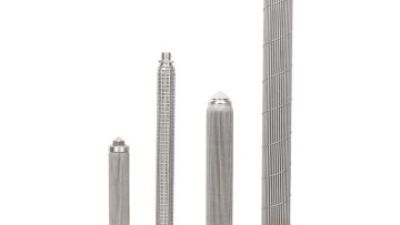
Candle filters are integral to the filtration process of various polymers, including plastics and chemical fibers. Their innovative candle-like design allows for an effective filtration system that continuously removes impurities from the polymer melt. Particularly in China, Melt Filter cartridges have emerged as essential filtration solutions, designed to maintain high efficiency even under extreme conditions, such as high temperatures, elevated pressures, and high viscosity scenarios. Utilizing stainless steel (SUS 304) construction, these filter elements ensure durability and reliability in various production environments.
The compact design of the candle filter housing further enhances its utility. Manufacturers can customize their setups with between 1 to 20 candle filters, depending on their specific requirements. This flexibility makes it an ideal choice for diverse industrial applications, catering to manufacturers in search of high-quality filtration components. By integrating these efficient melt filtration solutions into their processes, companies can significantly improve production efficiency, maintain the integrity of their end products, and protect vital downstream equipment from potential damage caused by impurities. The emphasis on efficiency and quality in the production chain underscores the importance of sourcing reliable candle filters from trusted suppliers in China.
FAQS
: Filter belts are used for separation and filtration in industrial processes like food processing and water treatment.
They are typically made from synthetic fibers or woven materials, ensuring strength and durability.
They allow effective filtration while maintaining optimal flow rates. Regular maintenance can enhance performance.
Material compatibility, chemical resistance, and temperature tolerance are crucial for performance and durability.
A poorly installed filter belt can lead to inefficiencies and reduced effectiveness in filtration applications.
Regular maintenance, including monitoring wear and tension adjustments, helps extend the belt's lifespan.
Over time, wear and tear can reduce efficiency, making routine checks essential for early issue identification.
A knowledgeable supplier offers insights into materials and maintenance, helping to make better-informed choices.
It ensures that the belt does not degrade in specific environments, preventing unexpected failures.
Peer recommendations can provide valuable insights, leading to better choices and minimizing operational challenges.
Conclusion
Filter belts are specialized industrial tools designed for effective separation processes in various applications, including filtration and dewatering. Their unique design and characteristics make them a superior choice compared to traditional belt options, offering enhanced efficiency and durability. When selecting a filter belt, it’s essential to consider factors such as material compatibility, application requirements, and maintenance practices to ensure optimal performance and longevity.
Additionally, the evolving technology surrounding filter belts promises innovations that will further improve their functionality and cost-effectiveness in industrial operations. As industries seek to optimize processes while minimizing costs, filter belts prove to be a valuable solution, combining reliability with advancements that enhance overall operational effectiveness.