When it comes to water treatment, a Media Filter really plays a key role. John Thompson, who’s pretty much an expert at Aqua Purity, said it best: “A reliable Media Filter is the backbone of effective filtration systems.” But honestly, what does that really mean? Getting your head around how a Media Filter works can make a big difference in the quality of your water.
So, here’s the deal: a Media Filter uses different layers of materials—like gravel, sand, or even specialized media such as Extruder Filter Media—to catch contaminants. Each layer has its own purpose, trapping different kinds of particles. But it’s not just about stacking materials; it’s also about designing and maintaining the system properly. Sometimes systems fail simply because people overlook regular upkeep or don’t install them right.
And here’s the thing—media filters can seem straightforward, and some folks believe once they’re set up, there’s no need to check on them again. That’s actually a bad idea, because skipping regular inspections can really mess with their efficiency. To keep everything running smoothly, regular checks and guidance from experts are a must. Even the top-of-the-line filters need occasional evaluations to work their best — it’s just part of the deal.
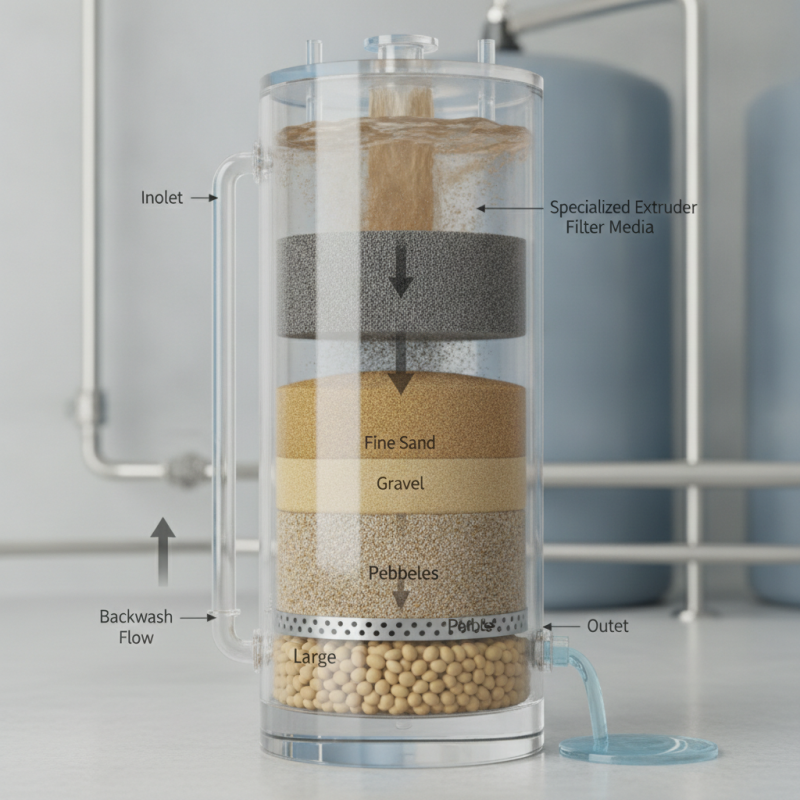
What is a Media Filter?
A media filter is a crucial component in various systems, designed to remove impurities and contaminants from liquids or gases. It operates by passing the fluid through a porous material, which traps unwanted particles. This process ensures the purity and quality of the final output, whether it's water for consumption or air for industrial purposes.
Media filters can vary in design. Some use sand or gravel, while others incorporate synthetic materials. The choice of media impacts efficiency. It’s essential to select the right type based on the specific application and the nature of the contaminants. Not all media filters are created equal, and proper maintenance is key to their performance. Regularly checking for clogs or buildup can prevent inefficiency.
Tips: Always monitor your media filter regularly. Timely replacement of the media can enhance performance. Adjusting the pressure settings might also improve filtration speed. Consider the environment where the filter operates; different conditions may require distinct media types. Remember, even the best systems need reflection and fine-tuning. Regular assessments can help identify potential issues before they escalate.
Types of Media Filters and Their Uses
Media filters play a crucial role in various applications, providing efficient filtration solutions. Different types of media filters cater to specific needs, ensuring water and air purification. Common types include sediment filters, activated carbon filters, and biological filters.
Sediment filters effectively remove larger particles from water, enhancing its clarity and quality. These filters are essential in areas with high sediment levels. Activated carbon filters, on the other hand, excel in absorbing odors and harmful chemicals. They are widely used in drinking water systems and aquariums. Biological filters use beneficial bacteria to break down waste, making them popular in aquaculture and wastewater treatment.
Despite their advantages, media filters are not without challenges. Regular maintenance is necessary to ensure they function properly. Neglecting upkeep can lead to reduced efficiency. Users must recognize the signs of filter exhaustion to avoid costly replacements. Understanding these factors can help in making informed choices about filtration systems.
How Media Filters Work: The Mechanism Explained
Media Filter are essential tools in various industries for removing impurities from liquids and gases. They operate based on a simple yet effective mechanism that uses a filtering medium to trap contaminants. This medium can range from sand and gravel to specialized synthetic materials, each chosen for their specific filtration capabilities. According to recent industry studies, about 70% of water treatment facilities utilize media filters for their reliability and efficiency.
The heart of a media filter lies in its structure. As fluid passes through the filter, larger particles are caught on the surface. Over time, as the filter becomes saturated, smaller particles begin to accumulate deeper within the medium. This can create a need for regular maintenance. A poorly maintained media filter can lead to reduced flow rates and decreased purity levels. Data from water quality reports in 2022 indicate that up to 30% of filter systems fail due to improper upkeep.
Furthermore, different media types affect filtration performance. For example, activated carbon filters excel at absorbing organic compounds, while some ceramic media are better suited for fine particle removal. Understanding these nuances is crucial. Mistakes in media selection can lead to inefficient filtration. In fact, industry experts highlight that around 25% of filtration issues stem from incorrect media usage. Analyzing these aspects reveals a complex but fascinating area of water and air purification.
Benefits of Using Media Filters in Water Treatment
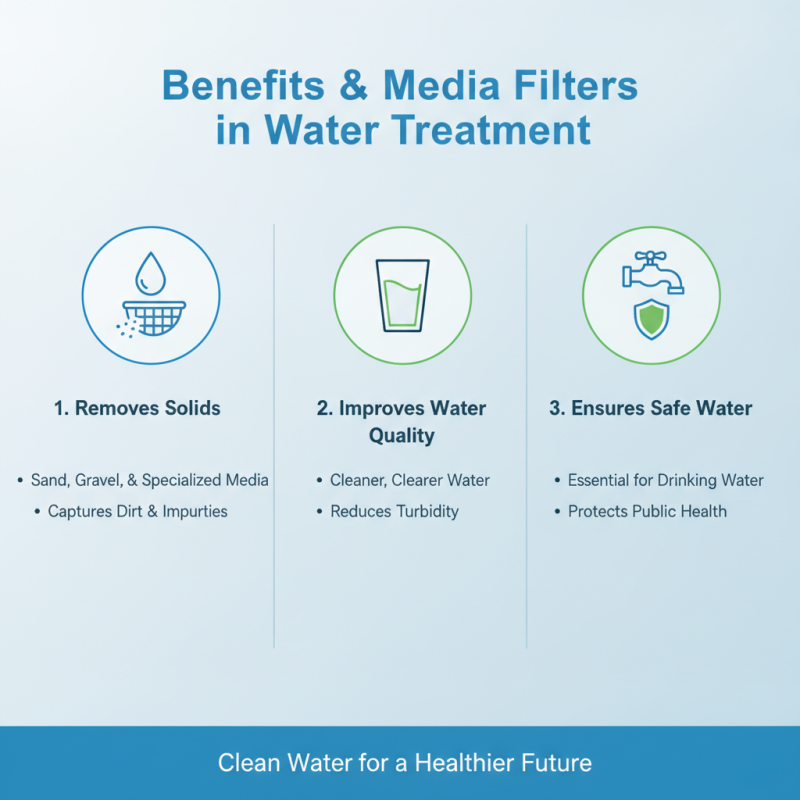
Media filters play a crucial role in water treatment. They effectively remove solid particles from water, improving quality. These filters use various materials, such as sand, gravel, or specialized media, to capture contaminants. As water flows through a Media Filter System, dirt and impurities are trapped, allowing clean water to flow out. This process is essential for ensuring safe drinking water.
Using media filters brings multiple benefits. First, they enhance water clarity. Clear water is visually appealing and indicates lower contamination levels. Secondly, these filters are cost-effective. They require minimal maintenance and can handle large volumes of water, making them suitable for both domestic and industrial use. However, it's important to monitor performance regularly. Clogged filters may lead to reduced efficiency, necessitating timely cleaning or replacement.
The environmental impact of media filters cannot be underestimated. They reduce the need for chemical treatments, promoting a safer ecosystem. Sustainable practices in water treatment contribute to protecting natural resources. While the Media Filter System offers significant advantages, ongoing evaluation and adjustment are essential. Keeping filters functioning optimally ensures they continue to provide clean, safe water.
Common Applications of Media Filters in Various Industries
Media filters are essential tools across numerous industries, playing a critical role in maintaining water quality and purity. In the food and beverage sector, for instance, media filters ensure that products meet rigorous safety standards. According to a recent industry report, over 70% of food manufacturers use Media Filtration Systems to remove contaminants. This process helps in achieving compliance with health regulations and enhances product quality.
In wastewater treatment, media filters effectively eliminate suspended solids, aiding in the purification process. Data shows that municipalities employing media filters see a 30% increase in treatment efficiency. These filters are also vital in the oil and gas industry, where they remove particulates from drilling fluids. In this sector, a reliable Media Filter Cartridge is an indispensable component for maintaining operational efficiency and ensuring environmental compliance.
However, the effectiveness of media filters can wane over time, requiring regular maintenance and replacement. Some systems may face limitations, such as clogging or reduced flow rates, if not properly managed. Continuous monitoring is essential for optimal performance. As industries evolve, innovations in media filter technology aim to address these challenges, emphasizing the need for ongoing research and development.
Common Applications of Media Filters in Various Industries
This chart illustrates the annual usage of media filters across various industries, showcasing the significant demand in water treatment and air filtration applications.
Maintenance and Care of Media Filters
Media filters play a crucial role in maintaining water quality by capturing particulates and contaminants. Proper maintenance is essential to ensure they function effectively. Regular checks and cleaning can prevent clogs that reduce the filter's efficiency. The American Water Works Association emphasizes that neglecting maintenance can lead to a 30% drop in filtration performance.
Cleaning frequency depends on water quality and filter usage. For example, filters used in industrial applications may require weekly inspections, while residential filters might need attention every month. An industry report noted that around 40% of users overlook routine upkeep, potentially compromising water purity. Routine maintenance includes backwashing, replacing media, and checking for leaks.
Documenting maintenance actions is vital. Data shows that facilities with clear maintenance logs achieve up to 20% better overall water quality. In contrast, facilities without documentation experience increased operational costs due to system inefficiencies. Striking the right balance in maintenance can be challenging. Over-maintaining can waste resources, but under-maintaining risks significant quality issues. Regularly reviewing maintenance strategies is advisable.
Troubleshooting Common Issues with Media Filters
Media filters play a crucial role in maintaining water quality by removing suspended solids. However, like any equipment, they can encounter issues. Understanding these problems can save time and resources.
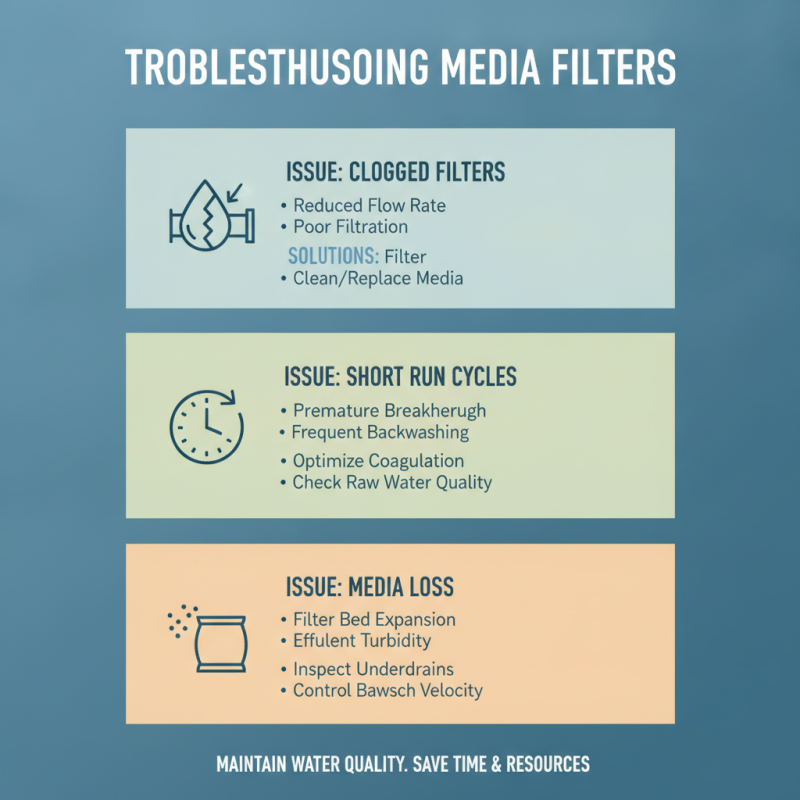
One common issue is clogging. Over time, the Candle Filter Media may become overwhelmed with debris. This reduces flow rates and efficiency. Regular inspection is vital. When clogs occur, consider performing a backwash. This process can help restore functionality. If clogs persist, replacing the media might be necessary.
Another problem is improper flow rate. If water passes too quickly, the filtration may not be effective. Monitor flow rates closely. Ensure that pumps are set correctly for optimal performance. An unsteady pressure gauge can signal underlying trouble. Regular maintenance checks are essential. This can prevent unexpected issues and ensure the filter operates smoothly.
Optimizing Filtration with SUS 304/316 Plastic Extrusion Wire Mesh Filters for Industrial Applications
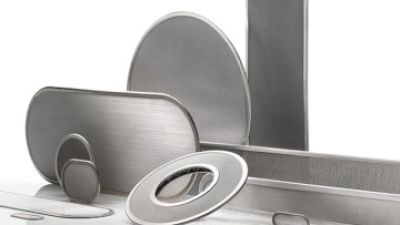
In industrial applications, particularly within the plastics extrusion and recycling sectors, the importance of efficient filtration cannot be overstated. SUS 304/316 plastic extrusion wire mesh filters serve as essential equipment designed to optimize filtration processes. Constructed completely from stainless steel wire mesh, these filters offer versatility in their configuration, available in both single and multi-layered screens. This adaptability allows for melt filtration efficiencies ranging from 25 to 300 microns, making them highly effective at eliminating impurities and particulate matter from molten polymers.
The ability of SUS 304/316 filters to facilitate high-quality recycling of plastics is underscored by their capability to remove contaminants that, if left unchecked, could compromise the integrity of the recycled product. Reports indicate that with improving filtration technology, industries can achieve higher recycling rates, contributing significantly to sustainability efforts. Moreover, these filters are not exclusive to the plastics industry; they hold critical value in other sectors such as petroleum, chemical, pharmaceutical, and food processing. In these applications, they enhance the separation and filtration processes, ensuring product purity and compliance with stringent industry standards.
Data from industry research suggests that implementing advanced filtration systems like SUS 304/316 wire mesh filters can lead to operational efficiencies, ultimately resulting in reduced downtime and lower maintenance costs. As industries increasingly focus on optimizing their filtration technologies, the role of stainless steel wire mesh filters will continue to be paramount, supporting cleaner production methods and higher quality end products.
FAQS
: Media filters are used for efficient water and air purification. They help remove contaminants and enhance quality.
Common types include sediment filters, activated carbon filters, and biological filters. Each serves specific filtration needs.
Sediment filters remove larger particles from water. They improve clarity and are crucial in high sediment areas.
Activated carbon filters absorb odors and harmful chemicals. They are popular in drinking water systems and aquariums.
Regular maintenance ensures filters function effectively. Neglecting upkeep can reduce efficiency and water quality.
Check frequency varies. Industrial filters may need weekly inspections, while residential ones might need monthly attention.
Neglecting filters can lead to a 30% drop in filtration performance. Users may face costly replacements if issues arise.
Documenting maintenance actions is crucial. Facilities with logs achieve better water quality and lower operational costs.
Yes, over-maintaining filters can waste resources. Striking a balance is essential to avoid unnecessary costs.
Media filters face challenges like clogging and exhaustion. Users must be aware and proactive to ensure optimal performance.
Conclusion
A media filter is an essential component in various water treatment processes, designed to remove impurities through a physical filtration mechanism. Types of media filters include sand filters, gravel filters, and activated carbon filters, each serving specific functions in diverse industries such as municipal water treatment, swimming pools, and wastewater management.
The operation of media filters relies on the principles of adsorption and sedimentation, effectively capturing particulates and contaminants while allowing clean water to pass through. The benefits of implementing media filters extend beyond improved water quality; they also promote efficiency and cost savings in maintenance. Regular care and troubleshooting are crucial to ensure optimal performance and longevity of the media filters, making them a reliable choice in effective water purification solutions.