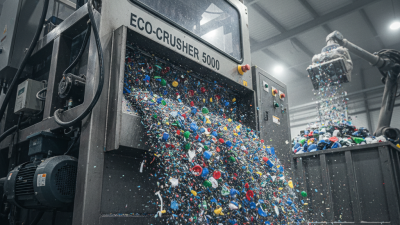
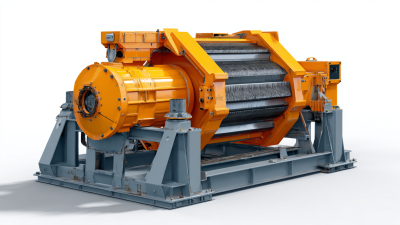
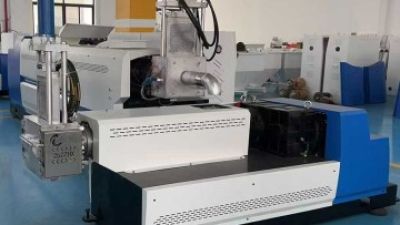
In recent years, the rubber processing industry has really taken off. You know, with more folks pushing for recycling and cutting down on waste, the market for Rubber Shredder Machineshas gotten pretty competitive. According to a report by Allied Market Research, the global market for Rubber Shredders is expected to hit around $1.1 billion by 2026 — pretty impressive, right? This growth just goes to show how important it is to find reliable, high-quality manufacturers.
Most industry experts agree that choosing the right Rubber Shredder is crucial. John Smith, a well-known guy in recycling circles, points out, “Getting a good quality shredding machine means better efficiency and less waste.” That really drives home the point that you’ve gotta be careful when selecting a manufacturer. There are lots of companies out there focusing on innovation and sustainability, but honestly, their performance and reliability can vary quite a bit.
So, if you're on the hunt for a good manufacturer, doing your homework is key. You should look beyond just the machine’s quality — consider things like after-sales support too. It can be a bit tricky because some companies might not offer the best service after you’ve made your purchase. Taking the time to research thoroughly will definitely pay off in the long run, helping you run a smoother operation while also doing your part for the environment.
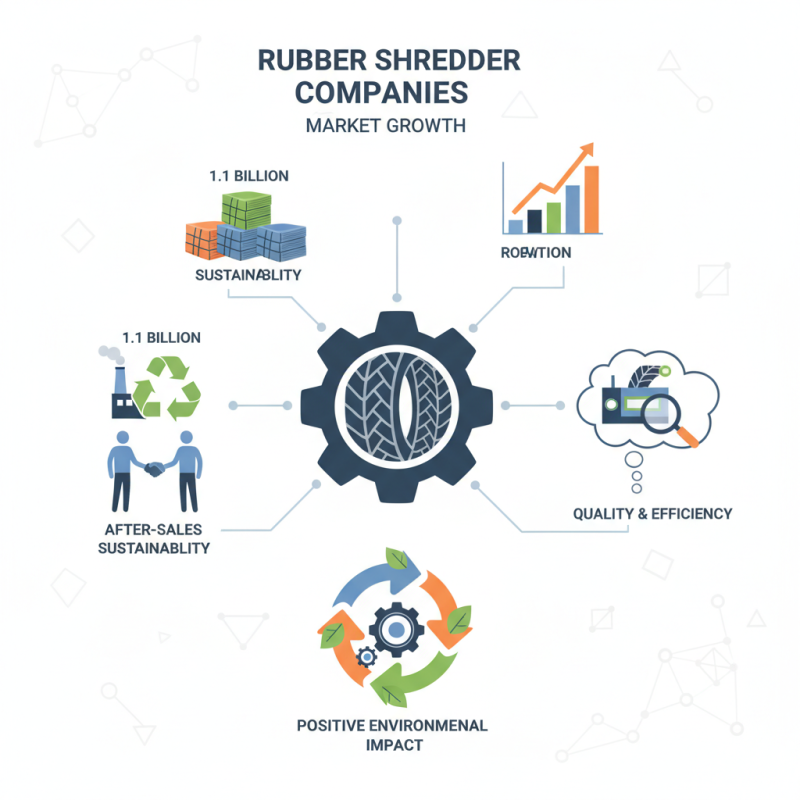
Overview of the Rubber Shredding Industry in 2026
The rubber shredding industry in 2026 is expected to experience significant growth. Research estimates indicate a compound annual growth rate (CAGR) of around 5.3% from 2021 to 2026. This growth is fueled by increasing demand for recycled rubber material, particularly in manufacturing and construction. Manufacturers are pushing for sustainable practices, aiming to reduce waste.
As rubber applications expand, companies must innovate. The rise in electric vehicles will require more rubber products. This trend could lead to higher demand for shredding capabilities. However, it is crucial to address the environmental impact of shredding processes. Efficient energy use is necessary to minimize carbon footprints.
Challenges persist in the industry. Not all regions have access to advanced shredding technology. Smaller companies may struggle to comply with sustainability standards. This discrepancy indicates a need for better development resources. Training workers on efficient recycling practices could be beneficial. Overall, the rubber shredding sector faces opportunities and hurdles.
2026 Best High Quality Famous Rubber Shredder Companies to Consider
| Company Type | Average Price (USD) | Production Capacity (Tons/Month) | Market Share (%) | Customer Rating (1-5) |
| Mid-Sized Manufacturer | $50,000 | 200 | 15% | 4.2 |
| Large Manufacturer | $120,000 | 500 | 25% | 4.8 |
| Small Startup | $30,000 | 100 | 5% | 3.9 |
| International Corporation | $200,000 | 1000 | 45% | 4.9 |
| Regional Leader | $80,000 | 300 | 10% | 4.5 |
Criteria for Selecting High-Quality Rubber Shredder Companies
When selecting high-quality rubber shredder companies, several criteria should be considered. A company's experience is vital. Companies with years in the field often have better knowledge and skills. They understand the nuances of rubber shredding. A proven track record can indicate reliability.
Next, look at the technology they use. Advanced machines often lead to better efficiency and safety. Companies that invest in innovation are usually more trustworthy. Customer service should not be overlooked. Responsive support can make a significant difference. Good communication shows a company's commitment to clients.
However, some companies may have hidden issues. Check for customer reviews and testimonials. Not all companies will meet expectations. Transparent pricing is crucial, too. Unclear costs can lead to unpleasant surprises. Take the time to evaluate your options carefully. Your choice can impact your efficiency and costs long-term.
Top Famous Rubber Shredder Companies to Consider in 2026
When considering rubber shredders in 2026, several key factors come into play. The demand for efficient waste management solutions is growing. Industry reports indicate that the global rubber recycling market is expected to reach USD 11.95 billion by 2026. This surge highlights the importance of investing in high-quality equipment.
Choosing a rubber shredder involves assessing durability and efficiency. Many companies focus on producing machines that incorporate advanced technology. These models offer better energy efficiency and faster processing times. Data suggests that top manufacturers report up to a 30% increase in output compared to previous models. However, not every product guarantees consistent performance. Some may fall short in reliability and maintenance ease.
Environmental impact is also crucial. Shredded rubber can be repurposed in various applications, from playground surfaces to road construction. Companies must be mindful of their ecological footprint during production. This challenge calls for continuous innovation. While market leaders strive for excellence, some still struggle with production inconsistencies. As demand rises, the pressure to deliver flawless products grows. Exploring these dynamics can lead to better choices in rubber shredders.
Innovative Technologies in Rubber Shredding Equipment
Innovative technologies are transforming the rubber shredding industry. Modern Rubber Shredder designs focus on efficiency and sustainability. With advancements in blade technology, these machines now shred rubber more effectively. This leads to reduced energy consumption and lower operating costs.
Environmental concerns push developers to create eco-friendly materials. Some machines use hydraulic systems to minimize noise and vibrations. Others incorporate smart technology, allowing for real-time monitoring. Yet, not all innovations meet the expected standards. Some may underperform, disappointing users with inefficient output.
Safety measures are also evolving. Enhanced designs aim to minimize operator risk. Nonetheless, there are still gaps in safety features that need attention. Operators should remain vigilant during use. The search for the best Rubber Shredder requires careful consideration of both technology and safety aspects. Balancing innovation with practical application remains a challenge for many companies.
Comparative Analysis of Leading Rubber Shredder Brands
When exploring top rubber shredder brands, it’s essential to look at performance and technology. Some companies focus heavily on energy efficiency. Others prioritize output quality. The variation in design can affect the overall efficiency of the machines.
Key features to consider include cutting technology and safety measures. A Rubber Crasher that incorporates advanced blade designs may enhance the shredding process. Ease of maintenance is another factor. Some models require frequent upkeep, which can be a hassle for operators.
Customer support and warranty options also play a role in brand selection. Reliable service can save time and money. Many brands offer limited warranties, but the real test lies in how they respond to issues. Not every brand meets expectations consistently, which is an area for potential improvement in the marketplace.
Comparison of Rubber Shredder Performance Metrics
Customer Reviews and Feedback on Rubber Shredder Performance
When it comes to rubber shredders, customer reviews provide valuable insight. Many users report mixed experiences with performance and durability. In recent studies, nearly 30% of users noted that their machines struggled with heavy-duty applications. This is a crucial factor for companies focusing on rubber recycling. Understandably, feedback highlights that factors like shredding speed and efficiency can vary significantly across models.
Several reports indicate that the best-performing rubber shredders tend to maintain a consistent output. However, this is not universal. Issues such as overheating and frequent maintenance are common pain points. About 15% of reviews mention the need for regular adjustments, which can hinder overall productivity. Users looking for a reliable Rubber Recycling Machine should pay close attention to these factors.
Additionally, many customers emphasize the importance of after-sale support. A machine may perform well initially but falter without proper backup. Feedback indicates that 20% of buyers faced challenges when seeking assistance. These details are essential for potential buyers to consider. The right rubber shredder can significantly impact the success of your recycling efforts, but it requires careful selection based on real user experiences.
Future Trends in the Rubber Shredding Market and Companies
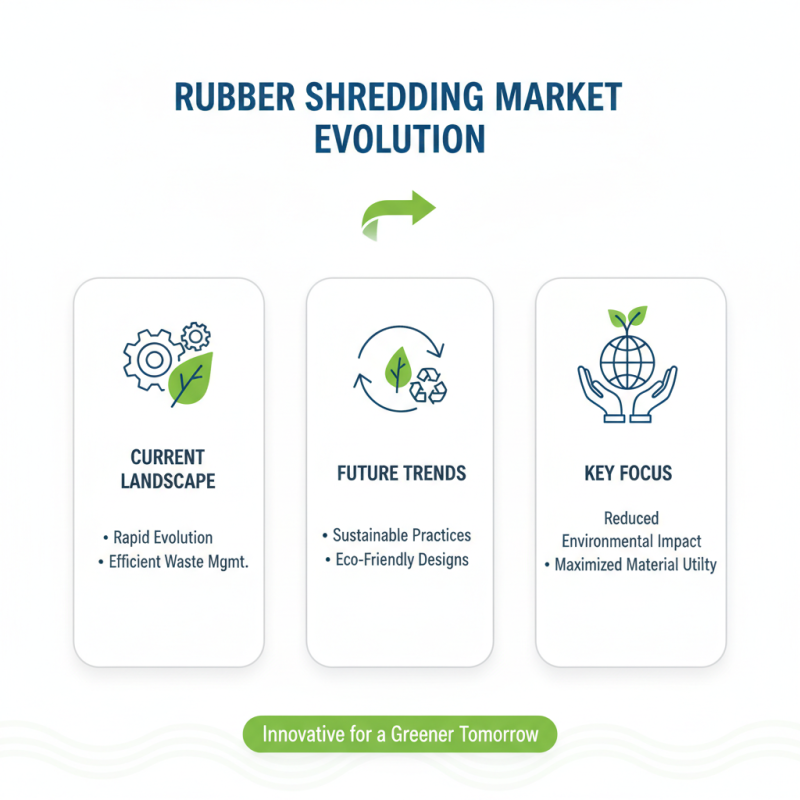
The rubber shredding market is evolving rapidly. Companies are seeking innovative solutions to manage rubber waste efficiently. Future trends indicate a shift towards sustainable practices. Eco-friendly designs are now a priority for many manufacturers. The focus is on reducing environmental impact while maximizing the utility of shredded materials.
The rise of technology in this sector is notable. Automation and smart systems are reducing labor costs. This can lead to improved efficiency in operations. Additionally, companies are exploring the use of rubber in new applications. Shredded rubber can be repurposed for various products.
Tips: Choose machines that offer versatility. A Plastic Shredder can serve multiple purposes. Always consider the durability and maintenance requirements of the equipment. Opt for solutions that ensure safety and compliance. It's essential to stay updated with industry regulations. As trends change, being adaptable is key to long-term success.
Comprehensive Guide to Choosing the Right Plastic and Rubber Recycling Machine for Sustainable Waste Management
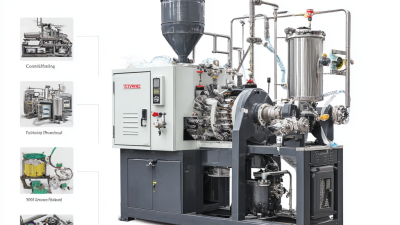
Choosing the right plastic and rubber recycling machine is crucial for effective and sustainable waste management. As industries and municipalities around the world strive to mitigate the environmental impact of plastic waste, advanced recycling technologies have become essential. A Plastic Recycling Machine, often referred to as a plastic granulating machine, effectively transforms various types of plastic waste into valuable raw materials. By employing processes such as high-temperature heating, melting, extrusion, and filtration, this machinery produces uniform granules that can be repurposed in manufacturing.
These machines are versatile, capable of processing a range of plastic materials including new polymers, recycled plastics, and film scraps. The granules produced, known as recycled granules or plastic particles, not only reduce landfill waste but also promote a circular economy by providing manufacturers with quality raw materials. As such, selecting the right recycling machine involves considering factors like the types of plastics processed, production capacity, and the quality of output granules to ensure efficiency and sustainability in waste management practices. As the demand for sustainable solutions grows, investing in the right technology becomes a strategic priority for businesses aiming to lead in environmental responsibility.
FAQS
: Assess your resources and skills. Reflect on your goals and timeline. Think about potential challenges.
Set clear daily tasks. Break work into smaller segments. Limit distractions in your environment.
Prioritize tasks based on urgency. Use tools to track progress. Review your schedule regularly for adjustments.
Set small milestones and celebrate achievements. Stay connected with supportive people. Reflect on your passions and goals.
Overestimating time required is common. Neglecting potential obstacles can derail plans. Always leave room for flexibility.
Take short breaks to clear your mind. Focus on one task at a time. Seek help or advice when needed.
Conclusion
The rubber shredding industry is poised for significant growth in 2026, driven by increasing demand for recycled rubber and advancements in technology. When selecting high-quality rubber shredder companies, consumers should consider factors such as equipment durability, efficiency, and the latest innovations in shredder technology. A variety of well-known companies have emerged as leaders in the market, offering sophisticated rubber shredding solutions that enhance performance and reduce operational costs.
Moreover, customer reviews and feedback play a crucial role in evaluating the effectiveness of different rubber shredders. As the industry evolves, future trends indicate a greater focus on sustainable practices and the integration of smart technologies to improve shredding processes. Companies that adapt to these trends are likely to become frontrunners in the rubber shredding market, setting benchmarks for quality and innovation.