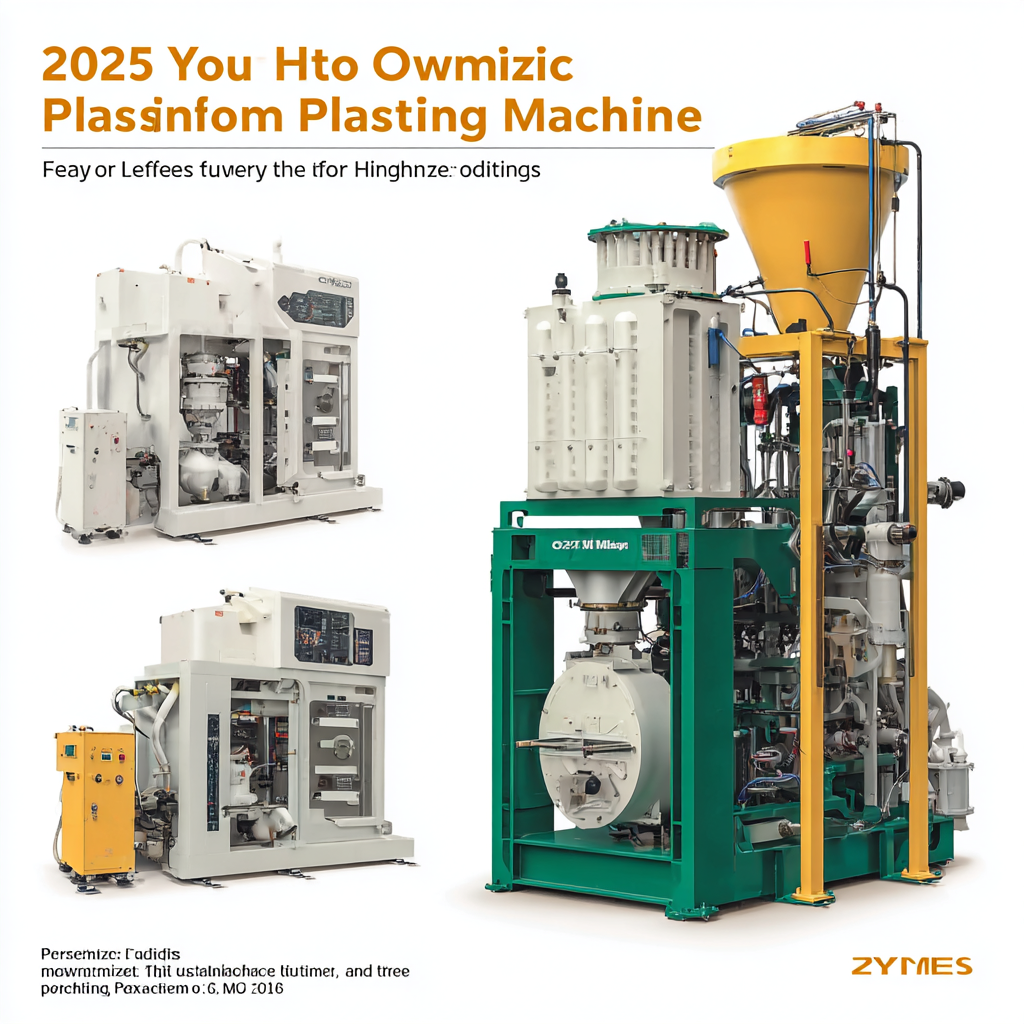
In the fast-changing world of plastic manufacturing, getting your Plastic Pelletizing Machine to perform at its best is more important than ever if you want higher efficiency and better output. Looking ahead to 2025, it’s clear that new tech and smarter manufacturing processes are bringing big changes to the plastic industry. Manufacturers are realizing that fine-tuning their equipment isn’t just a good idea — it’s crucial for cranking out more product while cutting down waste.
In this article, we’ll chat about some key strategies and cool new practices that can really help improve how your Plastic Pelletizing Machine works. Things like regular maintenance checks, and even bringing in some smart technology, can make a huge difference in keeping things running smoothly. We’ll also touch on how variables like machine settings and raw material quality play a role in how much you can produce — because knowing these little details can really give you a leg up.
So, stick with us as we share some of the latest tips and expert advice. Our goal? To help you get the most out of your Plastic Pelletizing Machine, making sure your production process stays both sustainable and profitable down the line.
Best Practices for Regular Maintenance of Plastic Pelletizing Machines
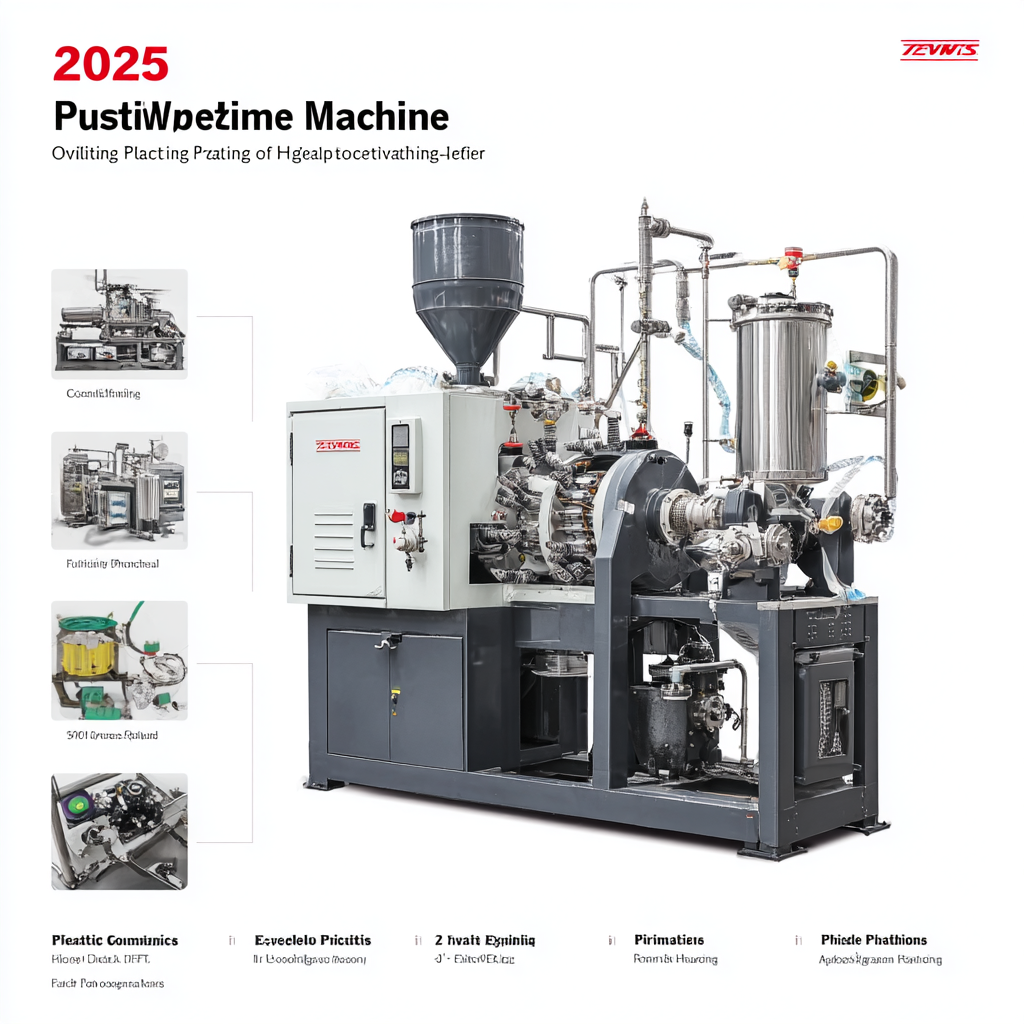
Regular maintenance of plastic pelletizing machines is crucial for ensuring optimal efficiency and output. Keeping the machine in excellent working condition prolongs its lifespan and minimizes costly downtime. One key aspect of maintenance is routine cleaning, as residues and impurities can build up in the system, causing inefficiencies. Schedule regular cleaning sessions to remove any leftover material and debris.
Tip: Always refer to the manufacturer's guidelines for specific cleaning procedures and recommended intervals to ensure the integrity of the machine.
In addition to cleaning, lubrication is vital. Proper lubrication reduces friction and wear on moving parts, which can lead to mechanical failures if neglected. Check lubrication levels regularly and apply the appropriate type of lubricant as specified by the manufacturer.
Tip: Create a lubrication schedule based on the machine's usage to maintain optimal performance and prevent breakdowns.
Key Upgrades to Enhance Performance and Efficiency in Pelletizing
To enhance the performance and efficiency of plastic pelletizing machines, implementing key upgrades is vital. One significant area for improvement lies in the material feed accuracy. Reports indicate that optimizing the feed rate can lead to a 15-20% increase in output. Precision in feed not only enhances the consistency of the final pellets but also reduces waste during the pelletizing process, ensuring higher overall efficiency.
Another upgrade worth considering is the implementation of
advanced temperature control systems. Studies have shown that maintaining optimal temperatures throughout the pelletizing cycle can improve energy efficiency by up to
25%. This improvement is crucial as it not only saves on energy costs but also enhances the quality of the pellets, leading to a better product for end-users. Additionally, upgrading the machinery’s components, such as using wear-resistant materials, can further optimize operational longevity and productivity, ultimately driving higher returns on investment for manufacturers.
Choosing the Right Materials for Optimal Pellet Quality
Choosing the right materials is crucial for optimizing the performance of your plastic pelletizing machine. The quality of the pellets produced directly correlates with the characteristics of the raw materials used. Selecting high-grade resins and additives not only enhances end-product quality but also improves the overall efficiency of the pelletizing process. It is vital to assess the melt flow index and compatibility of materials; using materials that match well can lead to smoother processing and consistent pellet characteristics.
Furthermore, pre-processing the chosen materials can significantly impact output quality. Implementing techniques such as drying, shredding, or blending can facilitate better melt flow and reduce the risk of defects during pelletization. For instance, excessive moisture content can lead to poor pellet formation and reduced strength. Therefore, investing in proper material handling and preparation equipment is essential for achieving optimal results. By paying close attention to the materials used and their processing methods, manufacturers can ensure higher efficiency and output from their pelletizing machines.
2025 How to Optimize Your Plastic Pelletizing Machine for Higher Efficiency and Output - Choosing the Right Materials for Optimal Pellet Quality
| Material Type | Density (g/cm³) | Melt Flow Rate (g/10 min) | Optimal Temperature (°C) | Pellet Quality Rating (1-10) |
| Polypropylene (PP) | 0.90 | 12 | 200 | 8 |
| High-Density Polyethylene (HDPE) | 0.95 | 10 | 210 | 9 |
| Polystyrene (PS) | 1.05 | 5 | 210 | 7 |
| Polyethylene Terephthalate (PET) | 1.35 | 6 | 250 | 8 |
| Acrylonitrile Butadiene Styrene (ABS) | 1.05 | 8 | 240 | 9 |
Advanced Control Systems for Improved Output Consistency
The efficiency and output of plastic pelletizing machines can significantly benefit from advanced control systems. According to a report by MarketsandMarkets, the global market for industrial automation and control systems is expected to grow from $192 billion in 2021 to $303 billion by 2026, highlighting the importance of integrating sophisticated technology in manufacturing processes. These advanced control systems enable real-time monitoring and adjustments, ensuring that the machine operates at optimal performance levels. For example, predictive analytics can be utilized to anticipate equipment failures and reduce downtime, enhancing overall production consistency.
Moreover, the implementation of automation technologies, such as Artificial Intelligence (AI) and the Internet of Things (IoT), allows for precision in the pelletizing process. A study by ResearchAndMarkets indicates that smart manufacturing solutions can increase productivity by up to 25% in various sectors. By utilizing sensors and automated feedback loops, manufacturers can achieve a higher degree of control over temperature, pressure, and material flow, which are critical parameters in the pelletizing process. This technological advancement not only maximizes output but also contributes to energy efficiency, ultimately supporting sustainability goals within the plastics industry.
Optimization of Plastic Pelletizing Machine Efficiency
Training Operators to Maximize Machine Efficiency and Safety
Training operators to maximize machine efficiency and safety is critical in optimizing plastic pelletizing machines for higher output. By employing comprehensive training programs, manufacturers can ensure that operators are well-versed in machine functionalities and best practices. This initiative not only enhances efficiency but also significantly reduces the risk of accidents. With hands-on training and simulations, operators can become proficient in real-time problem-solving, allowing for quicker responses to potential issues.
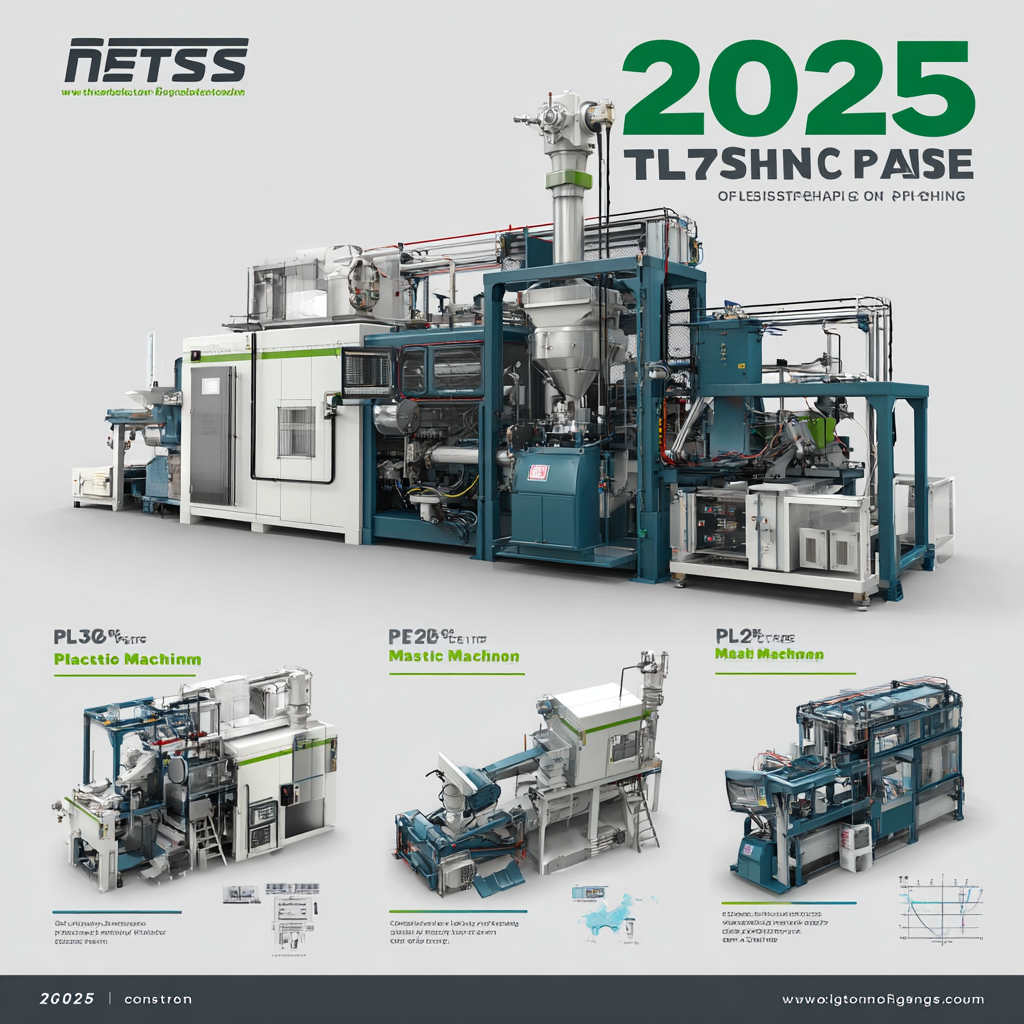
Furthermore, integrating advanced technologies such as AI into training modules can revolutionize the learning experience. AI-driven systems can monitor operator performance, providing instant feedback and identifying areas for improvement. This ensures that operators not only understand how to operate the machines effectively but also adhere to safety protocols. Emphasizing a culture of continuous improvement through regular training can lead to a more skilled workforce, driving both safety and productivity in the manufacturing process.
Analyzing and Reducing Energy Consumption During Pelletizing Processes
In the quest for higher efficiency and output in plastic pelletizing processes, analyzing and reducing energy consumption is crucial. Energy-intensive operations often lead to increased production costs and environmental concerns. By closely examining the entire pelletizing process, manufacturers can identify areas of excessive energy use. Implementing variable speed drives on motors can significantly minimize energy wastage by optimizing the speed according to demand. Additionally, using advanced thermal management techniques can help maintain optimal temperatures in the extruder, reducing the energy required for heating.
Moreover, the choice of materials plays a vital role in energy efficiency. Selecting polymers with better flow characteristics can reduce the energy necessary for processing. Additionally, regular maintenance of machinery ensures that equipment operates at peak efficiency, minimizing energy loss due to friction or wear. Incorporating automated controls and monitoring systems can also provide real-time data to fine-tune operations, ensuring resources are used judiciously.
By prioritizing these strategies, plastic manufacturers can not only enhance their output but also significantly lower their energy consumption, promoting a more sustainable production process.
Enhancing Efficiency in the Plastic Film Industry: Insights from Recent Market Analysis on Polymer Leaf Disc Filters
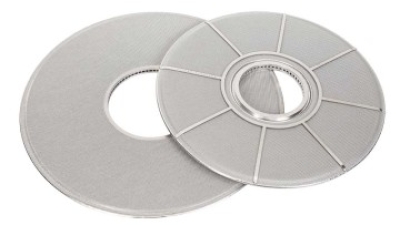
In the quest to enhance efficiency in the plastic film industry, recent market analyses have identified the increasing importance of polymer Leaf Disc Filters. These filters play a critical role in the filtration process by effectively removing impurities and contaminants from the polymer melt or solution prior to film formation. This preemptive step is essential for ensuring that the final products are of high quality and free from defects, which are crucial for maintaining competitiveness in this fast-paced industry.
One of the standout features of leaf disc filters is their larger effective filtration area compared to traditional melt filter elements. This characteristic not only improves filtration efficiency but also supports high-output operations, making them particularly advantageous in environments with extensive impurity loads and elevated pressure conditions. Additionally, the robust mechanical structure of these filters provides enhanced stability during operation, resulting in lower maintenance needs. This combination of performance and reliability makes polymer leaf disc filters an ideal solution for manufacturers seeking to optimize their production processes while ensuring the integrity of the final polymer films.
FAQS
: Regular maintenance is crucial for ensuring optimal efficiency and output, prolonging the machine's lifespan, and minimizing costly downtime.
Routine cleaning is key, as residues and impurities can build up and cause inefficiencies. Regular cleaning sessions should be scheduled to remove leftover material and debris.
Lubrication levels should be checked regularly, and the appropriate type of lubricant should be applied as specified by the manufacturer.
Key upgrades include optimizing material feed accuracy, implementing advanced temperature control systems, and using wear-resistant materials for components.
Optimizing the feed rate can lead to a 15-20% increase in output while enhancing the consistency of the final pellets and reducing waste.
Maintaining optimal temperatures throughout the pelletizing cycle can improve energy efficiency by up to 25%, saving on energy costs and enhancing pellet quality.
Strategies include using variable speed drives on motors, advanced thermal management techniques, selecting materials with better flow characteristics, and regular machinery maintenance.
Incorporating automated controls and monitoring systems provides real-time data, allowing manufacturers to fine-tune operations and use resources more efficiently.
Regular maintenance ensures that equipment operates at peak efficiency, minimizing energy loss due to friction or wear, which helps reduce overall energy consumption.
Analyzing the process helps identify areas of excessive energy use, allowing manufacturers to implement measures that enhance output and promote a more sustainable production process.
Conclusion
In the quest for higher efficiency and output from your Plastic Pelletizing Machine, several best practices can be implemented. Regular maintenance is crucial to ensure optimal performance and longevity of the equipment. Additionally, investing in key upgrades can significantly enhance the machine's capabilities. Selecting the right materials is essential for achieving superior pellet quality, while advanced control systems can lead to improved output consistency.
Training operators effectively is another vital aspect that maximizes machine efficiency and safety. Moreover, analyzing and reducing energy consumption during the pelletizing process can contribute to both cost savings and environmental sustainability. By following these guidelines, manufacturers can significantly boost the performance of Plastic Pelletizing Machines and meet the increasing demands of the industry, ensuring that operations remain robust and competitive.