In the fast-changing world of recycling, picking the right Plastic Crusheris kind of a big deal if you wanna keep things running smoothly. I mean, according to a report from the European Plastics Converters Association, about 30% of plastic waste actually gets processed pretty effectively with good-quality shredders. That just shows how important it is to choose a reliable Plastic Crusher that really fits what your business needs.
There are tons of different models out there, each with their own features and quirks. Finding the right one can really boost your production and cut down on downtime. But honestly, it’s not always straightforward—lots of things make the decision tricky, like the types of materials you handle, how much you produce, or even how much space you've got.
Getting the right Plastic Crusher is a bit of a balancing act. Companies need to weigh short-term benefits against long-term sustainability. Sometimes new models promise to be super efficient, but then they don’t quite deliver the goods in real-life use. Understanding these little nuances can actually help you make smarter choices that truly match what your business needs.
Overall, it’s all about doing your homework and figuring out what fits best, rather than just chasing the newest, hottest gadget out there. Trust me, a little research goes a long way!
Understanding the Importance of a Plastic Crusher in Manufacturing
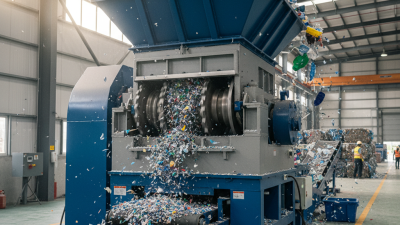
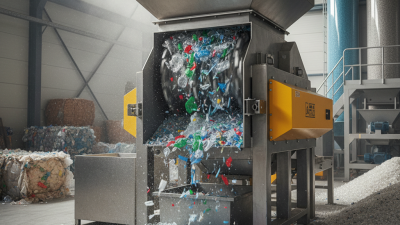
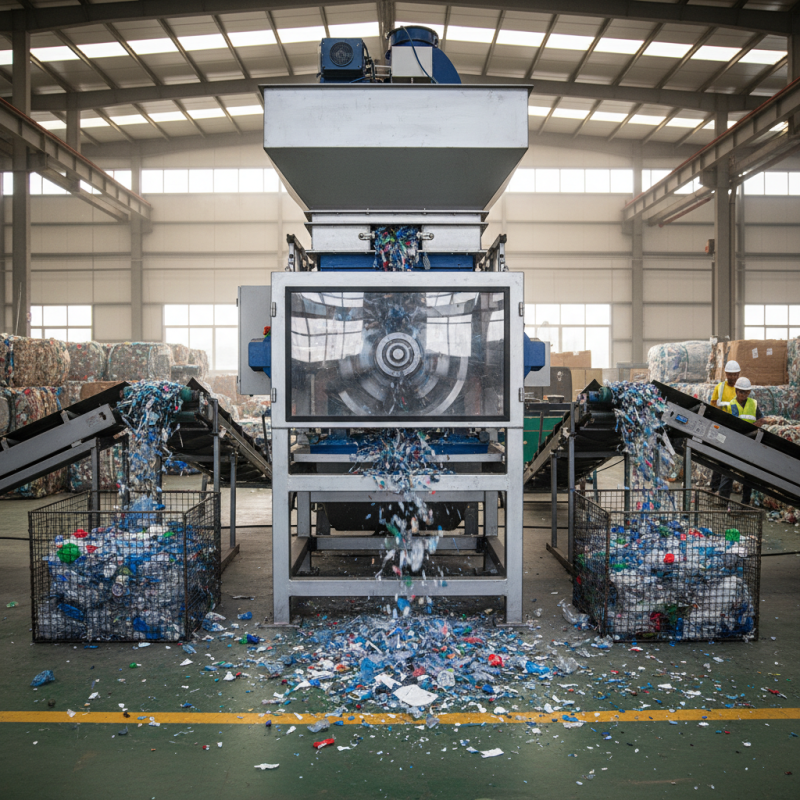
In modern manufacturing, a plastic crusher plays a vital role. It transforms waste plastic into reusable material. This process not only reduces waste but also supports sustainable practices. By using a Plastic Crusher Machine, manufacturers can optimize their operations. The efficiency gained can lead to significant cost savings in the long run.
Tips for choosing the right plastic crusher include understanding your business's specific needs. Consider the types of plastic you’ll be processing. The size and volume of materials also matter. A mismatch can lead to inefficiencies and increased downtime. Ensuring that the machine fits your production line is critical.
Another key point is maintenance. Regular checkson your Plastic Crusher Machine can prevent unexpected failures. Overlooking minor issues can result in costly repairs. Therefore, invest time in proper maintenance.This will ensure the machine runs smoothly and effectively. Don't hesitate to consult professionals when in doubt. Their expertise can save you from common pitfalls.
Identifying Your Business's Specific Plastic Recycling Needs
Identifying your business's specific plastic recycling needs is crucial for selecting the right plastic crusher. Understanding the type of plastic you deal with is the first step. For instance, HDPE and PET plastics have different characteristics. A report from the Plastics Recycling Association indicates that the demand for advanced recycling technologies is expected to grow by over 20% annually through 2025. This trend amplifies the importance of choosing the correct equipment.
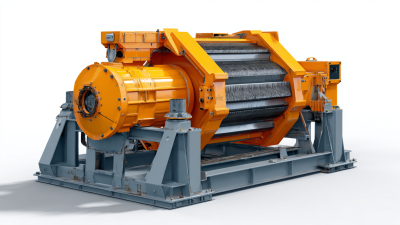
Next, assess the volume of plastic you need to process. Smaller operations may only require a basic model, while larger enterprises might benefit from a Plastic Drum Crusher. These machines can efficiently handle bulk plastic waste and reduce material volume significantly. Data from industry sources shows that streamlined recycling processes can lead to a 30% reduction in handling costs. However, investing in high-capacity machinery without understanding demand can lead to underutilization.
Finally, consider your facility's logistics. Will the plastic crusher fit in your workflow? A well-placed machine minimizes handling time and maximizes efficiency. Yet, businesses often overlook the training required to operate new equipment effectively. Ensuring staff are adequately trained on the Plastic Drum Crusher is essential for optimal operation. Failure to do so may diminish the machine's potential benefits.
How to Choose the Best Plastic Crusher for Your Business Needs?
| Parameter | Description | Example Value |
| Crushing Capacity | The amount of plastic that can be processed in a specific time period. | 500 kg/hr |
| Motor Power | The power requirement of the crusher’s motor. | 30 kW |
| Noise Level | The sound level produced by the crusher during operation. | 85 dB |
| Dimensions | The physical size of the machine. | 1500 x 1000 x 1200 mm |
| Weight | The overall weight of the crusher. | 800 kg |
| Safety Features | Features designed to protect the operator during use. | Emergency stop button, safety guards |
| Maintenance Needs | Frequency and complexity of maintenance required. | Monthly inspections, periodic blade replacement |
Evaluating Different Types of Plastic Crushers Available
When selecting a plastic crusher, understanding different types is crucial. Common varieties include single-shaft, double-shaft, and granulators. Each offers unique benefits. Single-shaft crushers are ideal for soft plastics. They deliver efficient shredding with less heat generation. Meanwhile, double-shaft crushers excel with tough materials. Their robust design manages varying sizes effectively.
Granulators serve a distinct purpose. They are perfect for creating small plastic pellets. This process is essential for recycling and remolding. Choosing the right machine requires careful evaluation of your materials. Consider the input size and desired output. A mismatch can lead to inefficiencies or increased wear.
It's essential to analyze machine specifications. Factors like power consumption and ease of maintenance can impact long-term costs. Many machines have limited warranties. Understanding these terms can prevent future headaches. The right Crusher Machine should not only meet your current needs but also adapt over time. Invest wisely to ensure sustained productivity.
Key Features to Consider When Choosing a Plastic Crusher
Choosing the best plastic crusher involves understanding key features that meet your business needs. When evaluating a Plastic Recycling Machine, assess the machine's capacity. The capacity affects the volume of plastic it can process. If you plan to handle large quantities, opt for a model with higher output.
Another crucial factor is the design of the blades. Sharp, durable blades ensure effective shredding of different plastic types. Consider the maintenance requirements as well. Some machines need regular servicing, which can increase costs. A balance between efficiency and upkeep is important.
Don’t overlook safety features, either. A reliable plastic recycling machine should have safety guards to protect operators. These features can prevent accidents and ensure smooth operation. Additionally, think about energy efficiency. Machines that consume less energy can reduce operational costs. It’s essential to weigh these factors carefully to make an informed decision.
Assessing the Capacity and Size Requirements for Your Operations
When selecting a plastic crusher, capacity and size should be at the forefront of your decision-making. Understanding your business's specific needs is vital. Consider the volume of plastic waste your operations generate. High-output facilities may need larger, more efficient machines to keep pace. Smaller operations might require compact models, which can fit into tight spaces.
Assess the type of plastic materials you'll process. Different plastics may require distinct handling and crushing approaches. A crusher’s design should align with your operational workflow to avoid bottlenecks. If your business anticipates growth, investing in a scalable machine could be wise. However, overestimating capacity needs may lead to underutilization and wasted resources.
Size matters, too. A larger machine might promise high capacity but can dominate valuable floor space. Conversely, a smaller model may struggle to meet demand. Balancing efficiency with practicality is key. Reflecting on past equipment choices can offer insights. Were there instances where you faced downtime due to inadequate capacity? Recognizing these patterns can guide your future decisions effectively.
Reviewing Cost Factors and Return on Investment
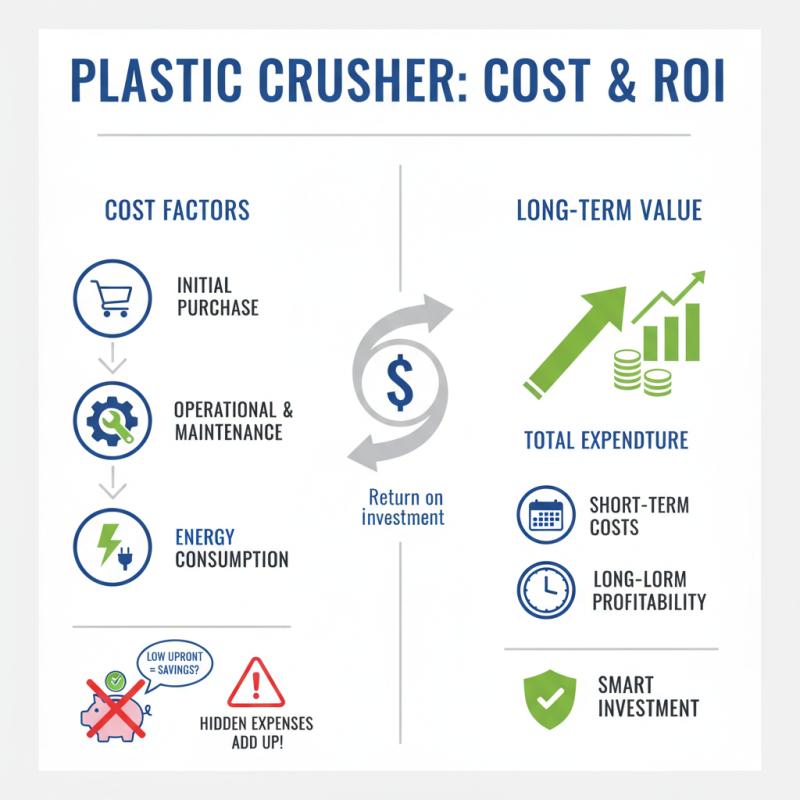
When selecting a plastic crusher, evaluating cost factors is crucial. The initial purchase price is only the tip of the iceberg. Ongoing operational costs, maintenance, and energy consumption play a significant role in total expenditure. A lower upfront cost might seem appealing, but hidden expenses can quickly add up. Therefore, consider both short-term and long-term financial implications.
Return on investment (ROI) is another key element. A more efficient machine can enhance productivity, leading to higher revenue. Look for crushers that offer durability and reliability, as these contribute to lower maintenance costs. Also, calculate potential savings in labor and downtime. A higher-quality unit may require a larger investment but can serve your business much longer.
It's also wise to reflect on your specific needs. Not all crushers are created equal. Some may face challenges with certain types of plastics, while others excel. Understanding your materials ensures that you select a machine that maximizes efficiency. Take time to analyze how your operational workflow aligns with the capabilities of different models.
Researching Manufacturer Reputation and After-Sales Support
When selecting a plastic crusher, the manufacturer's reputation is crucial. A company known for quality typically offers reliable products. Look for customer reviews on independent websites. These insights can highlight potential issues or provide reassurance about your choice. A strong reputation often correlates with durability and effectiveness.
After-sales support is another vital aspect. In case of malfunction, prompt assistance makes a difference. Check if they offer maintenance services or access to spare parts. A good company keeps communication open. Consider how they respond to inquiries. This can indicate their commitment to customer satisfaction. If response times are slow, it might raise concerns. Reflect on these elements when making your decision.
Advancing Filtration Technologies: Enhanced Performance of Polymer Leaf Disc Filters in the Plastic Film Sector
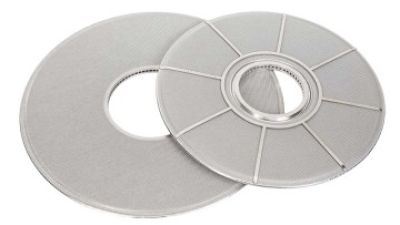
In the realm of polymer film production, the performance of filtration technologies is crucial for ensuring high-quality outputs. Leaf disc filters stand out as a superior filtration solution, specifically designed to eliminate impurities, contaminants, and particles from polymer melts or solutions prior to film formation. By effectively removing these unwanted elements, leaf disc filters contribute significantly to the production of defect-free polymer films, enhancing overall product quality.
One of the key advantages of using leaf disc filters over traditional melt filter elements is their larger effective filtration area. This feature allows for greater efficiency in capturing contaminants, making them particularly suited for processes characterized by high impurity content. Moreover, the robust mechanical structure of these filters provides exceptional stability, ensuring reliable performance even under high pressure and output conditions. The ease of maintenance associated with leaf disc filters further enhances their appeal, allowing for quick servicing and minimal downtime in production environments. As the plastic film sector continues to evolve, the adoption of advanced filtration technologies like leaf disc filters will play a pivotal role in optimizing production processes and elevating product standards.
FAQS
: A plastic crusher transforms waste plastic into reusable material, supporting sustainability and reducing waste.
Identify your specific needs, including the types and sizes of plastic you will process.
Mismatched machines can cause inefficiencies and increase downtime in production lines.
Regular maintenance prevents unexpected failures and costly repairs, ensuring smooth operations.
Assess your business's plastic waste volume and choose a machine that fits your output needs.
Yes, especially if you anticipate growth, but avoid overestimating needs to prevent underutilization.
Look for customer reviews on independent websites to gather insights about product reliability.
Prompt assistance during malfunctions can prevent long downtimes and ensure operational continuity.
Open communication and quick response times often reflect a company's dedication to customer satisfaction.
Reflecting on previous experiences may help identify patterns that guide better future equipment selections.
Conclusion
Choosing the right Plastic Crusher for your business is crucial for efficient manufacturing and recycling processes. Understanding the importance of a Plastic Crusher begins with identifying your specific plastic recycling needs. Different types of plastic crushers are available on the market, each with unique functionalities that cater to varying demands. When selecting a model, consider key features such as durability, energy efficiency, and ease of maintenance.
Additionally, assessing the capacity and size requirements is essential to ensure that the Plastic Crusher aligns with your operational needs. Cost factors, including initial investment and potential return on investment, should also be analyzed. Lastly, research the reputation of manufacturers and the quality of their after-sales support, as these can significantly impact your long-term satisfaction and productivity. By carefully evaluating these aspects, you can make an informed decision that enhances your manufacturing capabilities.