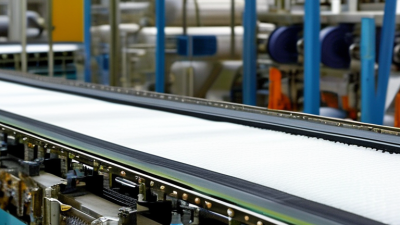
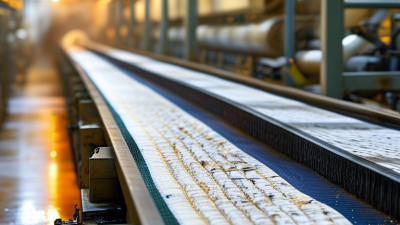
Picking out the right Filter Beltcan actually feel pretty overwhelming sometimes. With so many options out there, it’s really important to have a good idea of what’s gonna work best for your specific needs. You know, a lot of different industries—like food processing or wastewater treatment—depend on sturdy, high-quality Filter Belts to keep things running smoothly and last longer.
When you're choosing a filter belt, it’s worth paying attention to stuff like the material, the size of the mesh, and how thick it is. These little details actually make a big difference in how well it performs and how long it’ll last. Honestly, understanding exactly what your process requires is key to making a smart choice. Having a chat with manufacturers or flipping through some technical guides can be really helpful, but just watch out for anyone promising the moon—they might be overselling.
At the end of the day, the reliability of your filter belt can seriously make or break your operations. If performance is inconsistent, it could cause delays and mess up your schedule. So, take a bit of time to really think about what your process needs, and make sure your choice lines up with your goals. Remember, investing in the right filter belt now might seem like a hassle, but it’s gonna save you time, headaches, and money down the road.

Understanding Filter Belts: Definition and Types
Filter belts play a crucial role in various industries. These belts are designed to separate solids from liquids, making them essential in processes like filtration and drainage. Understanding the different types of filter belts is key to selecting the right one for your needs.
There are several types of filter belts, each serving specific purposes. For instance, woven filter belts are made from synthetic materials, providing excellent durability and chemical resistance. They offer fine filtration, making them great for wastewater treatment. On the other hand, perforated filter belts allow for quick drainage, which is beneficial in food processing applications. Similarly, non-woven belts provide higher flexibility but may require more maintenance over time.
Choosing the right filter belt requires thoughtful consideration. Evaluate the materials involved in your process and the specific requirements for filtration. It's easy to undervalue the importance of proper selection. An unsuitable belt can lead to increased downtime or higher operational costs. Therefore, take the time to research and, if possible, consult with industry experts to avoid common pitfalls in your decision-making.
Key Factors to Consider When Choosing a Filter Belt
Choosing the right filter belt involves evaluating several critical factors. Material composition is vital. Different materials offer varying degrees of filtration efficiency and durability. For example, polyester and nylon belts exhibit high tensile strength and chemical resistance. This quality is essential in industries processing corrosive materials.
The belt width and length must also fit operational requirements. A poorly sized belt can result in inefficient filtration and increased downtime. According to industry reports, over 25% of manufacturing inefficiencies arise from equipment misselection. Regular assessments can help avoid these pitfalls.
Maintenance needs are another critical aspect. Some filter belts require frequent cleaning, while others need minimal upkeep. This difference can impact labor costs and overall productivity. An unscheduled maintenance event can disrupt operations. It's crucial to weigh these considerations carefully for optimal performance and cost efficiency.
Assessing Material Compatibility for Optimal Performance
Choosing the right filter belt requires careful consideration of material compatibility. A Screen Filter Belt must withstand specific conditions to perform optimally. This includes understanding the chemical properties of the materials being processed. Research shows that materials like polyester and nylon are common choices for various applications due to their durability and resistance to corrosive substances.
Incorrect material selection can lead to premature wear and tear. A report by the Technical Association of the Pulp and Paper Industry indicates that using inappropriate materials can decrease belt lifespan by up to 30%. This statistic emphasizes the importance of matching belt materials with the characteristics of the solids or liquids being filtered. Understanding factors like temperature, pH, and the presence of abrasive particles is critical for effective filtration.
Additionally, not considering the operational environment can be a costly oversight. For instance, belts exposed to extreme temperatures may lose tensile strength. Industry data highlights that a mismatch can also lead to reduced efficiency in production processes. Therefore, compatibility assessments should be rigorous, collecting data on all environmental variables that will impact the performance of the Screen Filter belt.
How to Choose the Best Filter Belt for Your Needs? - Assessing Material Compatibility for Optimal Performance
| Material Type | Temperature Resistance (°C) | Chemical Compatibility | Tensile Strength (N/mm²) | Typical Applications |
| Polyester | -40 to 100 | Good in aqueous solutions | 30 | Textile and Food Processing |
| Polypropylene | -20 to 80 | Excellent for acids and alkalis | 25 | Waste Water Treatment |
| Nylon | -40 to 120 | Fair with oils and solvents | 50 | Mining and Construction |
| PTFE | -200 to 260 | Outstanding chemical resistance | 20 | Pharmaceuticals and Chemicals |
| PVC | -10 to 60 | Moderate resistance to acids | 15 | Packaged Goods |
Evaluating Filter Belt Dimensions and Specifications
When evaluating filter belt dimensions and specifications, start by considering the size of the filtration area. The dimensions of a Mesh Filter Belt significantly affect its performance. A larger surface area often improves filtration efficiency. Additionally, the thickness of the belt can influence durability. A thicker belt may resist wear better, but could also impact flexibility.
Another essential factor is the mesh size. Smaller mesh openings can trap finer particles, but they may also lead to clogging. It’s crucial to find a balance. Analyze your specific needs carefully. Sometimes, a more open Mesh Filter belt is better forhigh-flow applications. Always think about the type of materials you will be filtering. This choice can change everything.
Pay attention to the operational environment as well. Temperature and chemical exposure can affect material selections. If the filter belt operates in extreme conditions, advanced materials may be necessary. Always review the specifications closely. It helps to outline your requirements clearly before making a decision. Reassess your choices regularly to ensure they still meet your evolving needs.
Comparing Different Filter Belt Technologies and Features
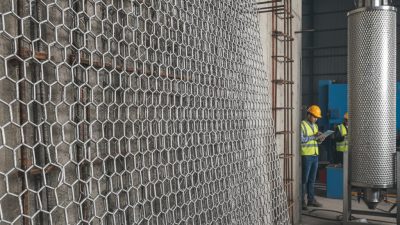
When selecting a filter belt, technology and features play essential roles. Wire Mesh Filter Belts offer unique advantages. Their open structure allows for better liquid drainage and ease of cleaning. This can enhance productivity in certain applications, especially in food and beverage processing. Yet, the material choice influences durability and performance.
Another consideration is the type of filtration needed. Some processes require finer filtration, while others benefit from coarser mesh sizes. Understanding the specific needs of your operation is crucial. Factors such as temperature, pressure, and chemical exposure should guide your selection. Not every application is a perfect fit for a Wire Mesh Filter Belt. Regular assessment of the filtration process can reveal areas for improvement, making this decision crucial.
In addition, maintenance is a factor often overlooked. Some materials require periodic replacement, adding to long-term costs. Balancing initial investment with future needs is necessary. While Wire Mesh Filter Belts can provide various benefits, evaluating all features and technologies available ensures you make an informed decision that meets your operational demands.
Maintenance and Care for Long-lasting Filter Belts
When using filter belts, maintenance is crucial for their longevity. Regular cleaning helps prevent buildup. Accumulated debris can hinder performance. Always inspect the belt for wear and tear. Look for fraying or cracks. These signs indicate the need for replacement or repair.
Tips for maintaining your filter belt:
- Clean with mild detergents and water. Avoid harsh chemicals.
- Store belts in a dry place, away from direct sunlight.
- Ensure proper tension during installation to reduce stress.
Care does not end with installation. Regular checks are vital. Are you noticing changes in filtration performance? A decrease often signals that your filter belt needs attention or replacement. Keeping a maintenance log helps track changes over time. It creates accountability and can highlight recurring issues.
Cost Considerations and Budgeting for Filter Belt Purchases
When selecting a filter belt, cost is a crucial factor. Proper budgeting can help avoid overwhelming expenses. Industry reports indicate that filter belts can vary widely in price. A simplistic filter might cost around $50, while high-performance options could exceed $500. Understanding your specific needs is essential. It helps in making informed decisions.
Evaluate your operational demands. If your processes require frequent maintenance, investing in a durable Cartridge Filter may save money in the long run. A report by the Filtration Society shows that maintenance costs can account for 30% of total operational expenses. That statistic emphasizes the importance of durability in filter belt selection.
Consider additional costs. Installation and training can impact the overall budget significantly. Sometimes, a cheaper initial price tag may lead to higher long-term costs. Regular assessments of performance and efficiency can reflect these cost variations. Investing in a quality filter belt might seem daunting, but it typically pays off by reducing annual expenditures.
Understanding the Benefits and Applications of High-Quality Polymer Candle Filters for Viscous Filtration
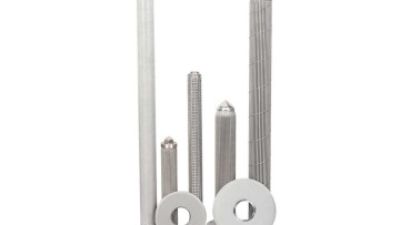
High-quality polymer candle filters play a crucial role in the filtration process of polymer melts, particularly within the chemical fiber industry. These filters are specifically engineered to remove unwanted impurities, such as solid particles and contaminants, from the molten synthetic polymers used to produce fibers like polyester, nylon, and acrylic. According to industry reports, the presence of even minor impurities can lead to significant production challenges, including defects, unevenness, and a reduction in mechanical properties. Maintaining the integrity of the polymer melt is essential for ensuring high-quality final products and optimizing processing efficiency.
Recent studies indicate that the use of advanced polymer candle filters can significantly improve filtration performance. For instance, a report by the International Fiber Association states that implementing high-quality filtration systems can increase production rates by as much as 30%, while simultaneously reducing downtime associated with equipment cleaning and maintenance. Furthermore, clean polymer melts can enhance the overall mechanical properties of the resulting fibers, providing the industry with a competitive edge in product quality and reliability.
By partnering with reliable suppliers in China who specialize in the manufacturing of polymer candle filters, companies can ensure they are utilizing the best filtration technologies available. This not only boosts production efficiency but also safeguards the integrity of the final products, thus addressing the increasingly stringent quality demands of the market. The investment in high-quality filtration solutions is a decisive factor for manufacturers looking to maintain a leading position within the dynamic chemical fiber sector.
FAQS
: Evaluate material composition, size, and maintenance needs. Each factor significantly affects performance and cost.
Materials like polyester and nylon offer high strength and chemical resistance, crucial for corrosive environments.
A larger area typically improves filtration efficiency. Small sizes can lead to inefficiencies and downtime.
Smaller mesh traps finer particles but can clog. Finding the right balance for your needs is vital.
Consider temperature and chemical exposure. Extreme conditions may require advanced materials for better performance.
Maintenance needs differ. Some belts require frequent care, impacting labor costs and efficiency.
Yes, technological needs change. Regular evaluations help ensure your filter belt meets evolving operational demands.
Advanced features impact filtration type and efficiency. Assess the specific requirements for your operation to select wisely.
Overlooking the specific needs of your filtration process may lead to poor performance and increased costs.
No, balancing initial costs with long-term maintenance needs is critical. A lower upfront cost can lead to greater expenses later.
Conclusion
When selecting the best filter belt for specific needs, it's essential to start with a fundamental understanding of what filter belts are and the various types available. Key factors such as material compatibility, dimensions, and specifications must be carefully evaluated to ensure optimal performance. Different filter belt technologies and their features can significantly impact filtration efficiency, so an informed comparison is vital.
Additionally, maintenance and care play a crucial role in prolonging the lifespan of filter belts, making regular inspections and upkeep necessary. Finally, cost considerations should not be overlooked; budgeting for filter belt purchases is essential for aligning with operational needs while ensuring quality and durability. By considering these factors, users can make well-informed decisions tailored to their filtration requirements.