Leave Your Message
0%

Picking the right Filtration Elements isn’t just a matter of preference—it’s actually pretty darn important across a bunch of industries, like pharma, food processing, and water treatment. Funny enough, a recent study by MarketsandMarkets shows that the global filtration market is set to hit around $48 billion by 2025. With the rising demand for purity and efficiency, making the right choice becomes super critical, and that's no joke.

Now, Filtration Elements really are the backbone of many systems—think of them as the unsung heroes doing all the hard work. But here’s the thing: they come in all shapes and qualities, so picking the wrong one can seriously mess things up. According to Grand View Research, goofing up here can mean less efficiency, plus bumping up operating costs—that’s a double whammy no one wants. So, understanding what to look for is pretty key to avoiding those avoidable headaches.

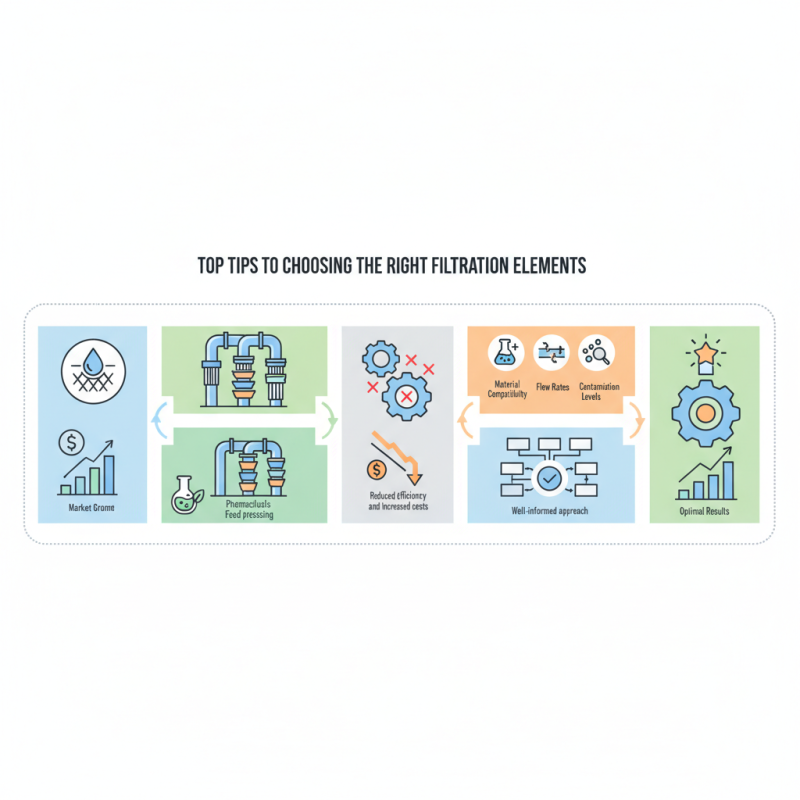
Plus, don’t forget about crucial stuff like what material the filtration element is made of, how fast the fluid flows, and how much contamination you're dealing with. Industry pros always say you gotta analyze these factors carefully. Trust me, every little detail can totally change how well the filtration system works. Bottom line? Taking the time to make an educated choice about filtration options is the best way to get those top-notch results you’re aiming for.
Top Tips for Choosing the Right Filtration Elements?

Understanding Filtration Elements and Their Importance

Understanding filtration elements is key to maintaining a clean and efficient system. These components play a critical role in removing impurities from air, water, or other fluids. The right filtration element increases performance while extending the lifespan of your equipment. Choosing the best one can be tricky. Each application has specific needs.

When selecting a filtration element, consider the material. Options vary from synthetic to natural fibers. Each has its pros and cons. For example, synthetic materials may offer higher durability, while natural fibers can be more eco-friendly. Think about the environment where the filter will operate. Temperature, pressure, and chemical exposure all matter.

Another important tip involves understanding the micron rating. This rating indicates the size of particles a filter can trap. A lower micron rating means finer filtration. However, filters with lower ratings may clog faster. Balance your needs for cleanliness with maintenance frequency. Assess your system's demands and adjust your choices accordingly.

Top Tips for Choosing the Right Filtration Elements

Filter Type Common Uses Key Features Maintenance Frequency Cost Range
HEPA Filter Air purification in hospitals and homes Removes 99.97% of particles 0.3 microns or larger Every 6 to 12 months $20 - $50
Activated Carbon Filter Removing odors and VOCs in residential areas Adsorbs gases and odors Every 3 to 6 months $15 - $30
Pre-Filter Used in HVAC systems to capture large particles Extends the life of finer filters Every 1 to 3 months $10 - $25
Reverse Osmosis Membrane Water purification in home systems Removes dissolved solids from water Every 2 to 5 years $50 - $150
Bag Filter Industrial applications, coolant filtration High dirt-holding capacity Every 6 months to 1 year $30 - $80

Types of Filtration Elements: Selecting the Best for Your Needs

When selecting filtration elements, understanding the types available is crucial. Each type serves different purposes and functions. For instance, Candle Filter Elements are popular in various industries due to their efficiency in removing particulates. According to a recent industry analysis, over 50% of filtration systems in the manufacturing sector utilize these elements for their reliability and effectiveness.

Different applications may require distinct filtration features. Some may need high flow rates, while others prioritize the reduction of specific contaminants. A study showed that over 30% of businesses experience inefficiencies due to selecting inadequate filtration systems. This highlights the need for thorough research and understanding of the filtration requirements. Users must consider designs tailored to specific problems.

The environment where the filtration will be used matters too. Factors like temperature, pressure, and the type of fluids impact the quality of filtration. Acknowledging these variables can prevent future complications. Filtration is not a one-size-fits-all solution. Taking the time to assess the choices available may lead to improved operational efficiency and cost savings in the long run.

Factors to Consider When Choosing Filtration Elements

When selecting the right filtration elements, various factors demand careful consideration. The environment in which the filtration system operates is crucial. Different materials may react differently to environmental conditions like temperature and humidity. An element that functions well in one setting may fail in another. Understanding the specific application requirements helps ensure optimal performance.

Another important aspect is the particle size that needs to be filtered. Not all filtration elements have the same capacity to capture varying particle sizes. Knowing the type and size of contaminants is essential. Oversizing or undersizing can lead to inefficiency and added costs. Manufacturers often provide specifications on these capabilities, ensuring better alignment with your needs.

The lifespan of the filtration element also can't be overlooked. A longer lifespan may seem appealing initially, but factors like maintenance and total cost of ownership should factor into the decision. Sometimes, a cheaper option with a shorter lifespan may offer better overall value. Balancing cost with performance and longevity requires thoughtful evaluation and, at times, some trial and error. An informed decision can lead to higher efficiency and reliability in filtration processes.

Evaluating Efficiency and Performance Ratings of Filters

When evaluating the efficiency and performance of filtration elements, it's crucial to look beyond basic specifications. True performance reveals itself in real-world applications. Different environments may demand varied types of filtration. For instance, air filters might excel in dust removal but falter in odor control. It's essential to consider what contaminants are most prevalent in your specific setting.

Performance ratings provide insights, but they can be misleading. Some filters may perform well in lab tests, yet under practical conditions, they could struggle. Pay attention to metrics like pressure drop and flow rate. These indicate how easily air or liquid passes through a filter. High pressure drop can lead to reduced efficiency, manifesting in increased energy costs over time.

The reliability of filter ratings depends on standardized testing. Yet, not all manufacturers adhere to the same criteria. Look for independent certifications that validate performance claims. This builds confidence in your choice. Remember, selecting the right filtration element is not just about numbers. It's about finding the best fit for your specific needs, ensuring lasting protection and optimal performance.

Material Compatibility: Ensuring Longevity and Effectiveness

Choosing the right filtration elements is crucial for system efficiency. Material compatibility plays a significant role in ensuring longevity and effectiveness. Using ineffective materials could lead to premature failure. It can also compromise your system and its performance.

Consider the environment where the Filtration Cartridge will operate. High temperatures or corrosive liquids can degrade certain materials. Research extensively before making a choice. Not all materials are suitable for every application. Some might seem adequate but fail under specific conditions.

Testing is another critical step. If possible, obtain samples and conduct trials. Evaluate how well each material withstands the operational stress. This process can reveal hidden vulnerabilities. Even seemingly durable materials may have unexpected weaknesses. When in doubt, consult industry experts or relevant literature for guidance. Their insights often unveil crucial details that are easy to overlook.

Maintenance Requirements and Lifespan of Filtration Elements

Top Tips for Choosing the Right Filtration Elements?

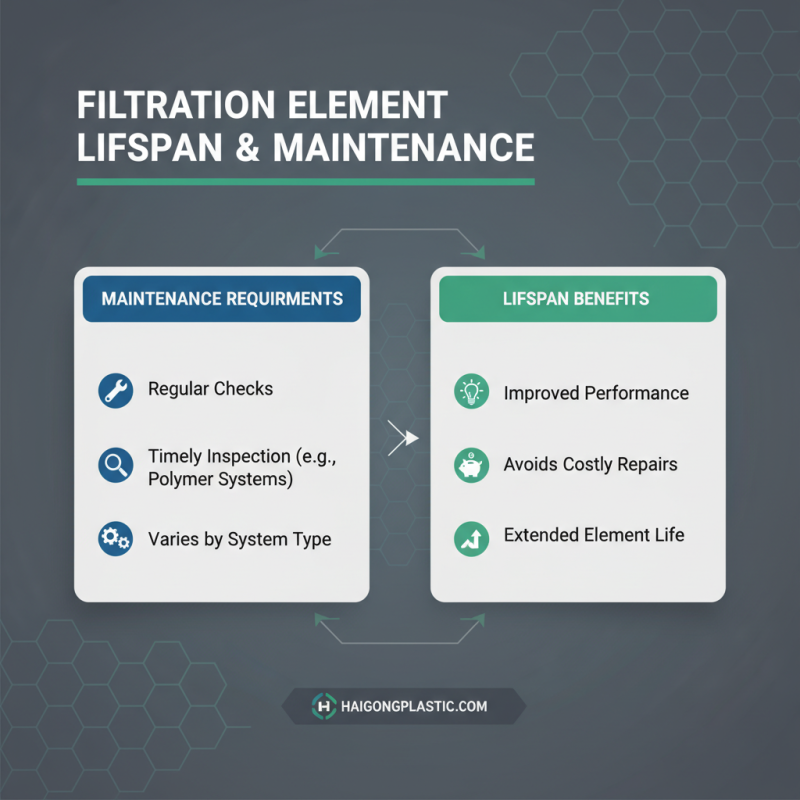
When choosing filtration elements, understanding their maintenance requirements is crucial. Different filtration systems demand varied upkeep routines. Regular checks can lead to better performance and avoid costly repairs. For instance, a timely inspection of a Polymer Filtration System can reveal wear and tear before it becomes a bigger problem.

Lifespan is another vital aspect. Filtration elements generally have a finite lifespan, often influenced by the quality of the fluid being filtered. Contaminants can increase wear rates. It's not uncommon for some users to underestimate this, leading to decreased efficiency over time. Tracking usage and setting up schedules for replacement can help maintain optimal function.

Take the time to explore each option thoroughly. The best choice may not always be the most expensive or advanced. Sometimes, a simpler solution works better in specific environments. Reflecting on past experiences can also guide future decisions. Regularly updating knowledge on filtration technology can enhance reliability and performance.

Cost vs. Quality: Making an Informed Decision

When selecting the right Filtration Element s, the balance between cost and quality is crucial. A 2020 report from the American Filtration Society indicates that high-quality filtration can improve efficiency by up to 30%. However, premium options can be more expensive. Many buyers feel pressured to choose cheaper alternatives, which may compromise performance and longevity.


Quality filtration elements can prevent equipment failure and maintenance issues. Investing in better materials often leads to lower long-term costs. A recent study revealed that businesses using higher-quality filters saw a 25%reduction in downtime. Consider factors like the Filtration Medium and operational demands before deciding.


Tips for making an informed choice include evaluating compatibility with existing systems and prioritizing certifications. Look for elements that promise reliability. Regular assessments and feedback can also provide insight into your filtration needs. Balancing cost against quality is essential for optimal performance in the filtration process.

FAQS

: What is important to consider when evaluating filter performance?

: Look beyond specifications and assess performance in real-world applications. Different environments may need different filtration types.

Can lab performance ratings be misleading?

Yes, some filters perform well in lab tests but may struggle in practical settings. Pay attention to actual performance.

What metrics are crucial for filter efficiency?

Metrics like pressure drop and flow rate are vital. High pressure drop can reduce efficiency and increase energy costs.

How can I ensure the reliability of filter ratings?

Look for independent certifications that validate performance claims. This builds confidence in your choice of filtration elements.

Why is material compatibility important?

Selecting the right material ensures longevity and effectiveness. Using wrong materials can lead to failure and system compromise.

What should I consider regarding the operating environment?

Consider factors like temperature and corrosive materials. Not all materials are suitable for every application.

How can I evaluate the performance of materials?

Obtain samples and conduct trials. Testing reveals hidden vulnerabilities and unexpected weaknesses in materials.

Should I consult experts when choosing filtration elements?

Yes, consulting industry experts can provide crucial insights that may be easy to overlook during selection.

What could go wrong if I choose the wrong filtration material?

Inappropriate materials can fail prematurely and impact system performance significantly. This may result in costly repairs.

Is testing of filtration elements always necessary?

While not always practical, testing is beneficial. It helps ensure that the chosen material can withstand operational stress effectively.

Conclusion

Choosing the right filtration elements is crucial for ensuring effective filtration processes and maintaining efficiency in various applications. Understanding the different types of filtration elements and their significance allows users to select options that align with their specific needs. Key factors to consider include material compatibility, which affects the longevity and effectiveness of the filters, as well as the maintenance requirements and expected lifespan of these elements.

Additionally, evaluating the efficiency and performance ratings of filters is essential in determining their suitability for a particular purpose. A balance between cost and quality is vital—making informed decisions can lead to optimal performance without compromising budgetary constraints. By carefully considering these aspects, individuals and organizations can successfully select the right filtration elements to meet their requirements.

Charlotte

Charlotte

Charlotte is a seasoned marketing professional at Pujiang HG Plastic Machinery Co., Ltd., a leading manufacturer and exporter of high-quality stainless steel filters and elements based in China. With a deep understanding of the company's core offerings—ranging from stainless steel wire mesh filters......
Previous Top 10 Filtration Elements You Need to Know?