Leave Your Message
0%

When it comes to fluid management, getting a good grip on Filtration Elements is a total game-changer. These little components might seem tiny, but they play a huge role in keeping liquids and gases of good quality across so many industries. And honestly, how well these filters work can really impact both how smoothly things run and safety too. A lot of businesses rely on top-notch filtration solutions to stay on point.

Each type of Filtration Element has its own specific job. Some are designed to catch tiny particles, while others are better at separating particular substances. Big names like Parker Hannifin and Donaldson have really built a solid reputation in this space. Knowing what’s out there can help companies pick the right filtration tools that actually suit their needs.

Of course, it’s not all smooth sailing. Not all Filtration Elements perform equally well, especially when the pressure’s high. So, it’s super important for businesses to evaluate what their environment and requirements really look like before making a choice. When you understand your needs, it’s way easier to pick solutions that actually work. The right filtration elements can seriously boost productivity and make everything more reliable. Bottom line? A thoughtful selection process leads to better results and less headaches down the line.
Top 10 Filtration Elements You Need to Know?

Overview of Filtration Elements and Their Importance in Industry

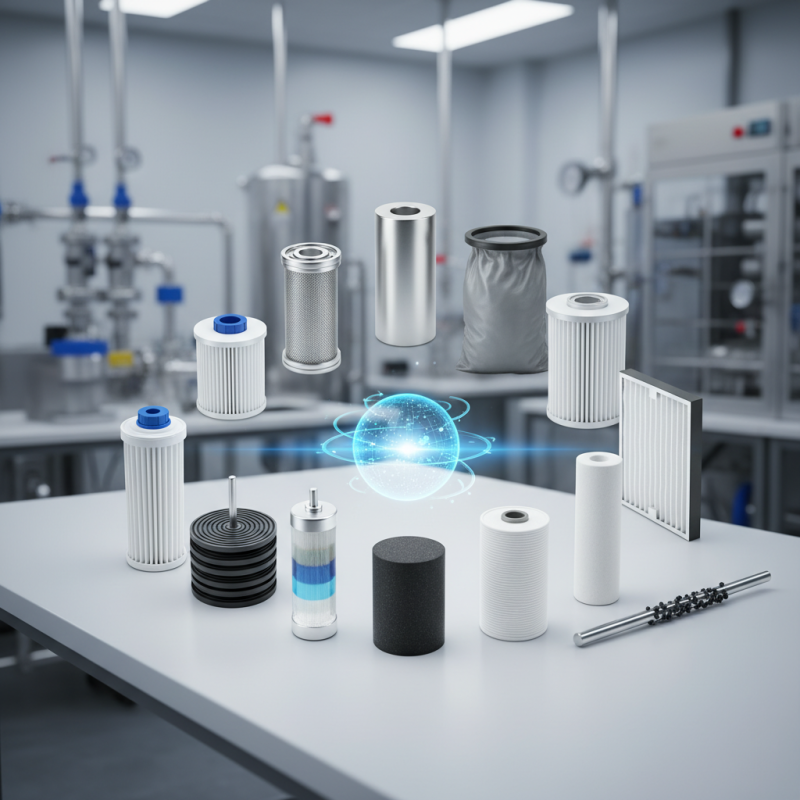
Filtration elements play a crucial role across various industries. They ensure the purity of fluids, air, and gases. This is vital for processes such as manufacturing, food and beverage production, and pharmaceuticals. Various types of filtration elements are designed for specific tasks. They include bag filters, Cartridge Filters, and membrane filters, each serving unique purposes.

Choosing the right filtration element can enhance operational efficiency. Remember that maintenance is key. Regularly replacing filtration components prevents system failures. Neglect can lead to costly downtime. Understanding how each element functions helps in making informed decisions.

Here’s a tip: Always assess the environment where the filter will operate. Factors like temperature and chemical exposure matter. Conduct routine inspections to catch issues early. Filters are not fail-proof. Monitoring their performance can prevent larger problems later. Balancing form and function is essential in filtration—consider both when selecting a solution.

Top 10 Filtration Elements You Need to Know

Filtration Element Type Application Efficiency (%) Lifespan (Months)
HEPA Filter Air Filtration Hospitals, Cleanrooms 99.97 12
Activated Carbon Filter Air/Water Filtration Odor Removal, VOCs 90 6
Bag Filter Dust Filtration Industrial Processes 95 24
Pre-Filter Air Filtration HVAC Systems 85 18
Ceramic Filter Water Filtration Potable Water 99 60
Sand Filter Water Filtration Swimming Pools 85 36
Inline Filter Liquid Filtration Food Industry 90 12
Polypropylene Filter Liquid Filtration Chemical Processing 95 24
Coalescing Filter Liquid Filtration Hydraulic Systems 99 36
Filter Cartridge Liquid Filtration Water Treatment 98 12

Understanding the Different Types of Filtration Elements

Filtration elements play a crucial role in various industries. They help to remove impurities and maintain product quality. Different types of filtration elements serve specific needs. For instance, Candle Filter Elements are designed for high-viscosity fluids. Their cylindrical shape provides a larger surface area for effective filtration.

Understanding these elements is vital. Data from industry reports indicate that the filtration market is expected to reach $40 billion by 2025. This growth highlights the increasing demand for efficient filtration solutions. Membrane filters, cartridge filters, and bag filters are also common. Each type offers distinct benefits, but choosing the right one can be challenging.

Many facilities still rely on outdated filtration systems. This can lead to inefficiencies and increased operational costs. Experts suggest regular assessments of filtration needs to avoid these pitfalls. Investing in modern filtration elements can improve efficiency. Proper filtration not only ensures product purity but also enhances overall process performance.

Top 10 Filtration Elements You Need to Know

Key Materials Used in Filtration Elements and Their Applications

Filtration elements play a crucial role across various industries. The materials used in these elements significantly affect their performance. Common materials include fiberglass, activated carbon, and various polymer membranes.

Fiberglass is highly effective in particulate removal. It can filter out small particles, enhancing air and fluid quality. In contrast, activated carbon excels at removing odors and gaseous contaminants. It is widely used in air filtration systems. Polymer membranes, such as microfiltration and ultrafiltration, offer precision in separating different substances.

Tip: Always choose the right filtration material for your specific application. Use fiberglass for high dirt-holding capacity. For gas or odor issues, opt for activated carbon.

In terms of applications, industries such as pharmaceuticals, food and beverage, and water treatment benefit from these materials. According to industry reports, the global filtration market is expected to reach $80 billion by 2025. However, many users overlook proper maintenance of items like the Filtration Cartridge. Regular replacements ensure optimal performance and safety.

Tip: Consider scheduling replacements based on usage and manufacturer guidelines. Neglecting this can lead to inefficient filtration and increased costs.

Performance Metrics: How to Evaluate Filtration Efficiency

When evaluating filtration efficiency, it’s crucial to consider performance metrics. Specific metrics provide tangible insights into how well a filtration system performs. Filtration rate, for instance, measures how quickly liquids pass through a system. This metric can indicate capacity but does not fully define effectiveness. It's just one piece of the puzzle.

Another vital metric is particle retention. This aspect assesses the system's ability to capture particles of varying sizes. Not all systems excel here, especially when faced with challenging contaminants. Understanding these factors can help manufacturers calibrate their Polymer Filtration System to meet specific needs.

Testing conditions also matter. Regular testing under real-world scenarios ensures relevance. However, not all tests are conducted under ideal circumstances. Variables such as temperature or pressure can interfere with results. It’s essential to approach findings with a critical eye, recognizing limitations. These efforts contribute to a more reliable understanding of filtration efficiency.

Industry Standards and Certifications for Filtration Elements

Top 10 Filtration Elements You Need to Know?

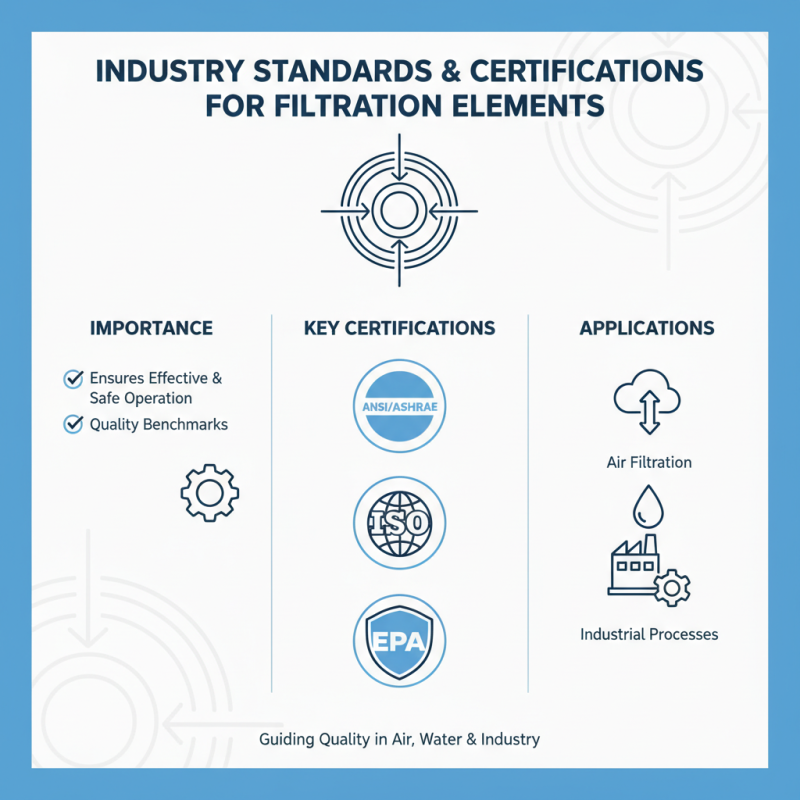
When it comes to filtration elements, industry standards and certifications play a critical role. These guidelines ensure that filtration systems operate effectively and safely. Common certifications include ANSI/ASHRAE, ISO, and EPA standards. They serve as benchmarks for quality in various applications, including air, water, and industrial processes.

Compliance with these standards reflects a commitment to reliability. It also indicates a deep understanding of filtration technology. Addressing contaminants and ensuring clean output requires expertise. Not all manufacturers meet these rigorous criteria, which can lead to subpar performance in critical systems.

Choosing filtration elements requires careful evaluation of certifications. It’s essential to analyze their impact on system efficiency and safety. Sometimes, reliance on outdated or less recognized standards can lead to failures. Continuous improvement in filtration technology can also reveal gaps. Remaining informed about evolving standards is crucial for optimal performance.

Recent Innovations in Filtration Technology and Their Impact

Recent innovations in filtration technology are reshaping industries. New materials and designs enhance efficiency and effectiveness in various applications. For instance, nanofibers allow for superior particulate capture, improving air and water quality. These advancements minimize waste and lower operational costs, yet they also pose challenges.

Some Filtration Elements now exhibit limitations in durability. The introduction of new substances can lead to unforeseen reactions. It is crucial to consider environmental impact as well. While modern filters offer better performance, they may not always be sustainable. The lifecycle of these filtration elements can sometimes lead to increased waste.

Collaboration among scientists, engineers, and environmentalists is key. Continuous research is essential for overcoming current shortcomings. Only through collective efforts can we ensure that advancements in filtration technology genuinely benefit society. As we explore innovative filtration elements, a balanced approach is necessary. Embracing new ideas while reflecting on their implications can drive sustainable progress.

Future Trends in Filtration Solutions and Market Growth Projections

Top 10 Filtration Elements You Need to Know?

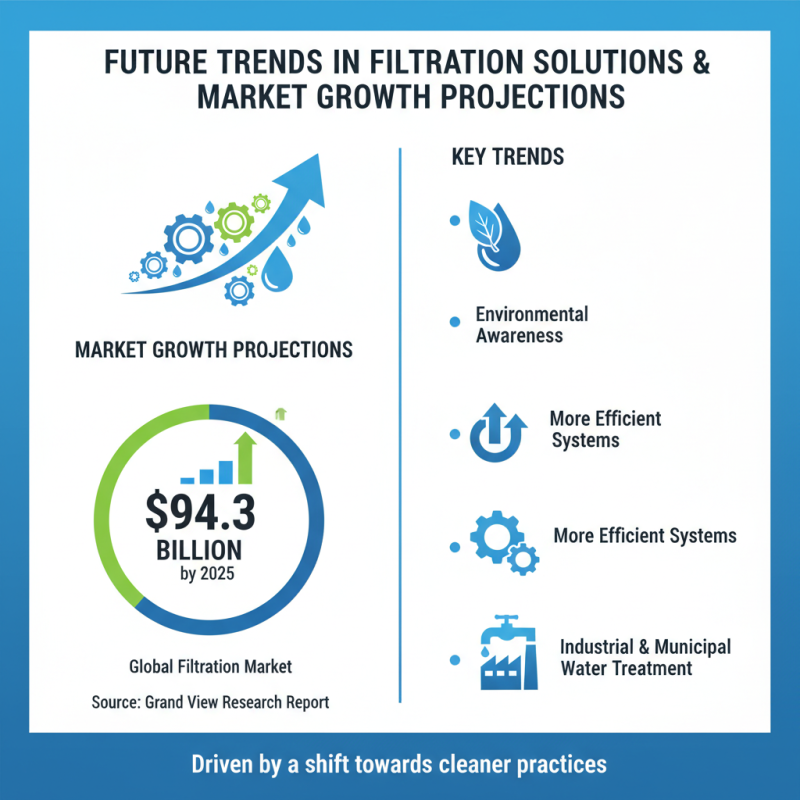
The filtration industry is poised for significant growth as awareness of environmental impacts rises. According to a report by Grand View Research, the global filtration market is expected to reach $94.3 billion by 2025. This anticipated growth reflects a shift towards more efficient filtration systems across various sectors, including industrial and municipal water treatment.

One notable trend is the increasing demand for advanced filtration solutions. Innovations in membrane technology and nanofilters offer enhanced performance and sustainability. These technologies can reduce waste and improve resource efficiency. However, the adaptation poses challenges. Many existing systems may need upgrades to leverage these benefits fully. Businesses must evaluate their filtration needs more critically.

Additionally, regulatory pressures are pushing industries toward higher standards. With stricter guidelines on emissions and effluent discharge, companies are rethinking their filtration strategies. Recent studies show that industries that invest in upgraded filtration technologies improve compliance rates, reducing the risk of fines and environmental lawsuits. As the market evolves, staying informed about these trends will be essential for manufacturers and consumers.

Innovative Candle Filter Cartridges and Elements: Enhancing Polymer Filtration Efficiency and Quality

Innovative Candle Filter Cartridges are revolutionizing the efficiency and quality of polymer filtration, particularly in demanding industries such as textiles, chemicals, and plastics. These filtration units, designed as groups of metal pleated filter elements, are specifically engineered to withstand high temperatures and pressures while effectively removing impurities from polymer melts. This includes contaminants like titanium dioxide, gels, and other solid residues that can compromise the integrity and performance of final products.

The structure of these candle filter elements is both robust and efficient. Typically tubular, they are crafted from durable stainless steel mesh or sintered metal, featuring a bottom cap and a threaded connector for seamless integration into existing filtration systems. The outer surface may utilize perforated metal sheets or porous ceramics to enhance support for the filter media. By combining innovative design with high-quality materials, these filter cartridges not only improve filtration efficiency but also ensure a longer operational lifespan, making them a valuable asset for any polymer processing operation. With their ability to maintain high performance under challenging conditions, they represent a significant advancement in filtration technology.

FAQS

: What materials are commonly used in filtration elements?

: Common materials include fiberglass, activated carbon, and polymer membranes.

How effective is fiberglass in filtration?

Fiberglass effectively removes small particles, improving air and fluid quality.

What does activated carbon do?

Activated carbon excels at eliminating odors and gaseous contaminants.

Why are polymer membranes important?

Polymer membranes provide precision in separating different substances.

What industries benefit from filtration materials?

Industries like pharmaceuticals, food and beverage, and water treatment benefit significantly.

Why is regular maintenance of filtration items important?

Regular replacement ensures optimal performance and safety. Neglect leads to inefficiency.

What are the advantages of recent innovations in filtration?

New materials enhance efficiency, reduce waste, and lower operational costs.

What challenges arise with new filtration technologies?

Limitations in durability and unforeseen reactions may occur with new substances.

How do new filtration elements impact sustainability?

Modern filters may lead to increased waste despite better performance.

Why is collaboration important in filtration advancements?

Collaboration fosters continuous research to overcome shortcomings and ensure societal benefits.

Conclusion

Filtration elements play a crucial role in various industries by ensuring the removal of impurities and contaminants from fluids and gases. Understanding the different types of filtration elements, along with the key materials used in their construction, is essential for selecting the right products for specific applications. Key performance metrics allow for the evaluation of filtration efficiency, while industry standards and certifications provide guidance on quality and reliability.

Recent innovations in filtration technology have led to improved performance and expanded applications, demonstrating the dynamic nature of this field. As industries continue to evolve, future trends indicate a growing demand for advanced filtration solutions, driven by stricter environmental regulations and a focus on sustainability. This ongoing market growth highlights the importance of staying informed about the developments in filtration elements to optimize processes and enhance product integrity.

Ethan

Ethan

Ethan is a dedicated marketing professional at Pujiang HG Plastic Machinery Co., Ltd., a leading manufacturer and exporter of high-quality stainless steel filters and elements in China. With a deep understanding of the company's core products—including stainless steel wire mesh filters, pleated......
Previous Top Tips for Choosing the Right Filter Cartridges?