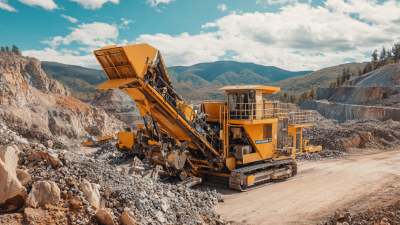
Diving into the world of Crusher Machines? It’s super important to really understand what you actually need before making any choices. Mark Thompson, who's been around the block and works at CrusherTech Industries, says it best: "Picking the right Crusher Machine is key for everything to run smoothly." That really drives home how crucial it is to carefully look at the different types of crushers out there.
Honestly, the variety can be kinda overwhelming. You've got jaw crushers, impact crushers, and a bunch of others, each designed for something a bit different. Picking the wrong one can seriously impact your productivity and even rack up costs. Sadly, a lot of businesses just grab the most popular model without stopping to ask whether it’s actually suited for what they’re doing.
It’s pretty clear—no single Crusher Machine is a one-size-fits-all kinda deal. What works great for one project might totally fail for another. Plus, some companies overlook regular maintenance, which often leads to costly breakdowns that could have been avoided. So yeah, thinking carefully about which Crusher Machine to go with is super important if you want to stay on top and keep things running smoothly in the long run.
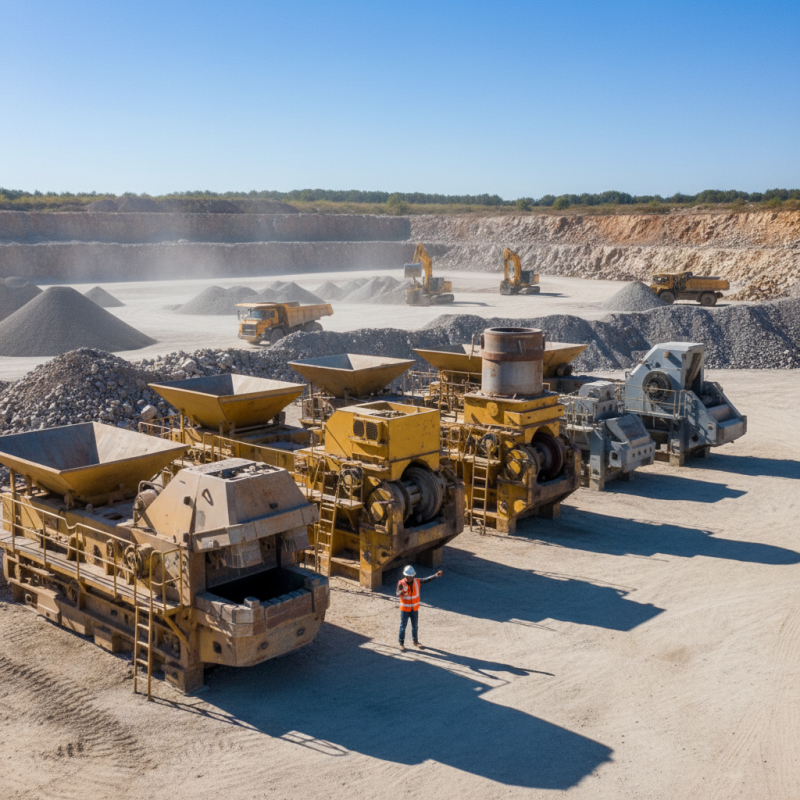
Crusher machines play a crucial role in various industries. They break down materials into smaller, manageable pieces. This process is essential for recycling and material preparation. A well-functioning crusher can improve efficiency and reduce waste significantly.
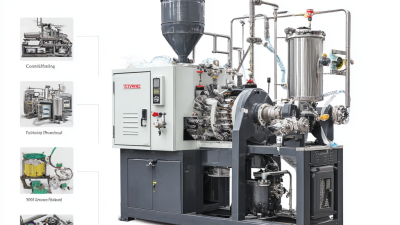
In the world of recycling, a Plastic Crusher Machine is vital. It helps turn plastic waste into reusable flakes. This operation not only conserves energy but also lowers production costs. However, selecting the right type is challenging. Different materials require distinct machines. For example, some machines excel at crushing soft plastics, while others handle tougher materials like metal.
Choosing the right crusher machine involves careful consideration. Some might not perform as expected in certain contexts. Analysis of material types and desired output is important. Users often overlook maintenance needs as well, which can lead to inefficiencies. Understanding these factors ensures optimal performance and longevity.
| Crusher Type | Description | Typical Applications | Advantages | Disadvantages |
|---|---|---|---|---|
| Jaw Crusher | A type of primary crusher used for crushing large stones. | Mining, Construction, Quarrying | High efficiency, simple maintenance | Limited to softer materials, lower capacity |
| Cone Crusher | Designed for secondary crushing, suitable for hard materials. | Mining, Aggregates, Recycling | High crushing ratio, adjustable output size | Higher operational costs, requires expert maintenance |
| Impact Crusher | Uses impact force to crush materials, ideal for medium hardness. | Construction, Recycling, Demolition | Versatile, good for recycling materials | Wear and tear on parts, lower efficiency on harder materials |
| Hammer Crusher | Employs hammers to crush materials, suitable for softer rocks. | Mining, Cement, Coal | Low operational costs, effective crushing of large feed | Not suitable for hard materials, high wear rate |
| Roll Crusher | Uses two rotating cylinders to crush materials. | Coal, Metallic ores, Limestone | Compact design, suitable for smaller operations | Limited to specific types of materials, potential for uneven sizes |
When exploring the types of crusher machines available in the market, several options stand out. Jaw crushers are common choices. They crush hard materials into smaller pieces efficiently. These machines excel in heavy-duty mining operations. However, they can be quite expensive and need regular maintenance.
Another type is the cone crusher. Known for their versatility, cone crushers handle various materials. They create uniform granules, making them ideal for construction projects. Yet, operators must be cautious. Underestimating the power requirements can lead to malfunctions.
Impact crushers serve a different purpose. They are perfect for softer materials. With their high-speed impact, they break down substances quickly. However, they may not be suitable for tougher conditions. Users often overlook these limitations, leading to poor performance. Understanding each machine's specifications is crucial. Choosing the right one impacts productivity significantly.
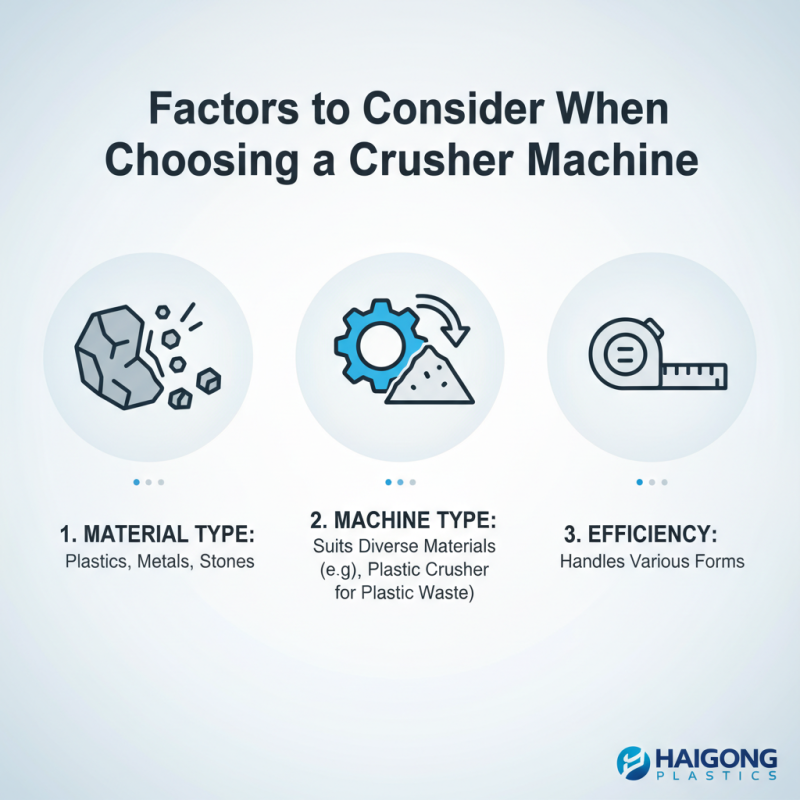
When selecting a crusher machine, various factors demand your attention. The material type is crucial. Different machines suit diverse materials, like plastics, metals, or stones. For instance, if you need to process plastic waste, a Plastic Crusher is an excellent choice. This machine can handle various plastic forms efficiently.
Another key aspect to consider is the production capacity. How much material do you need to crush? Machines differ in output rates. Assess your requirements carefully. An oversized machine might not be cost-effective. Conversely, a smaller machine could cause bottlenecks. It's essential to find the right balance.
Maintenance requirements also matter. Some machines need regular upkeep, while others are more robust. This aspect can impact your operational downtime. Think about ease of repair too. A complicated machine could lead to frustration. Remember, each choice has its pros and cons. Ponder these details before making a decision.
When choosing between jaw crushers and impact crushers, it’s essential to understand their distinct capabilities. Jaw crushers are renowned for their ability to break down larger materials. They use a compressive force to crush rocks, making them ideal for primary crushing. However, they may struggle with softer or more fragile materials.
Impact crushers, on the other hand, utilize high-speed impact to break materials. This method is effective for softer materials. The versatility of impact crushers is notable. They can handle various materials, including asphalt and limestone. Yet, they might not be as effective with tougher rocks as jaw crushers.
Tips: Consider the size of the materials you’ll be processing. If you need to crush plastic drums, a well-suited Plastic Drum Crusher can optimize your workflow. Always assess your specific needs before making a decision. Remember, understanding material characteristics will lead to better equipment choices. Each crusher type has its advantages and limitations, and proper selection is crucial for efficiency.
Cone crushers play a vital role in material processing. They are designed to crush hard and abrasive materials with ease. The effectiveness of a cone crusher lies in its ability to provide a consistent product size. This is crucial for industries like mining and construction. A well-run cone crusher ensures that the material is reduced to the desired size for further processing.
However, not all operations use cone crushers correctly. Some operators overlook maintenance, which can lead to poor performance. Regular checks are essential for optimizing its efficiency. Blockages or excessive wear can impact output quality. Operators should also consider the type of materials being processed. For instance, softer materials might not require a cone crusher, leading to unnecessary costs.
Another aspect to ponder is the energy consumption of these machines. Cone crushers can be power-hungry, especially if not properly calibrated. A balance between processing needs and energy efficiency is necessary. In some cases, smaller, more efficient machines might meet the production goals better. Each operation must evaluate its specific needs to make the right choice.
Innovations in crusher machine technology have transformed various industries. Many new designs improve efficiency and reduce energy consumption. These advancements are vital for businesses aiming to stay competitive. The introduction of smart sensors and automation enhances operational control, making managing the machines easier and more precise. However, these high-tech features may require skilled operators. Training becomes essential, and not all companies can invest in proper training programs.
Another notable trend is the focus on sustainability. For example, Plastic Recycling Machines have gained prominence. They process various types of plastics for reuse, helping to mitigate waste. Some machines integrate advanced separation technology, ensuring better recycling rates. Nevertheless, the initial cost can be a hurdle for smaller businesses. Companies must weigh the long-term benefits against the upfront investment. It’s a balancing act that requires careful consideration.
Furthermore, while innovations abound, not every advancement suits every need. Each operation is unique. This diversity can complicate decisions. Selecting the right type of crusher machine remains challenging. Knowing the specific requirements is crucial for making the best choice. Testing machines in real-world conditions often uncovers unexpected challenges. Companies must be prepared to adapt and refine their processes continually.
To ensure optimal performance from your crusher machine, regular maintenance is essential. Start by inspecting key components like the blades and gears. Look for wear and tear signs. A minor chip can lead to bigger problems if ignored. Regularly cleaning the machine prevents buildup that affects efficiency. Dust and debris can interfere with operations.
Another vital aspect is lubrication. Ensure all moving parts are well-lubricated. This reduces friction and extends the machine's lifespan. It’s easy to overlook this step. However, without proper lubrication, you may face frequent breakdowns. Always check fluid levels and replace them based on manufacturer recommendations.
Don’t forget about monitoring the machine’s performance. Keep an eye on production rates. If you notice a drop, investigate immediately. Sometimes, minor adjustments can rectify issues. Keeping a maintenance log can help track what needs attention. Regularly reviewing this log may reveal patterns in wear and tear. Small tweaks often make a significant difference in overall efficiency.
: Crusher machines break down materials into smaller pieces, aiding in recycling and preparation processes.
They convert plastic waste into reusable flakes, conserving energy and lowering production costs.
Users should analyze material types and desired output, as different machines suit different materials.
Regular inspections of components, cleaning the machine, and proper lubrication are essential for optimal performance.
Ignoring maintenance can lead to inefficiencies and frequent breakdowns, affecting overall production rates.
Proper lubrication reduces friction, extending the lifespan of machines and preventing breakdowns.
Keeping track of production rates and maintaining a log helps identify issues early on.
A noticeable drop in production rates often signals the need for immediate investigation and possible adjustments.
Yes, minor tweaks can lead to improved performance and efficiency in machine operations.
Look for chipped blades or gears, which, if ignored, can lead to more significant problems over time.
The article "Best Crusher Machine Types for Your Needs?" provides a comprehensive overview of the various types of crusher machines available in the market and their significance in different industrial applications. It begins by highlighting the importance of crusher machines in material processing, which is critical for industries such as construction, mining, and recycling. The piece explores different types of crusher machines, including jaw crushers, impact crushers, and cone crushers, and discusses the factors one should consider when selecting the right machine for specific needs.
Furthermore, the article delves into a comparative analysis of jaw and impact crushers, outlining their respective advantages and suitable applications. It also emphasizes the role of cone crushers in achieving efficient material processing. Innovations in technology that enhance the performance and efficiency of crusher machines are discussed, along with maintenance tips to ensure optimal functioning. Overall, the content serves as a valuable guide for those looking to invest in crusher machines tailored to their operational requirements.