
Cleaning and Reuse of Polymer Filter Elements: When It Pays and When It Does Not
A film production plant in Turkey was changing its Candle Filters every three weeks and treating the spend as unavoidable. When the maintenance team finally logged the pressure curves, they found that a third of the changes were happening at less than half the usable pressure drop, on a fixed calendar rather than on condition. The elements going to scrap still had two or three cleaning cycles left in them. Switching to condition based changes plus one controlled cleaning route cut annual filter spend by a little over forty per cent, with no change in film quality. The gain came from a decision about cleaning economics, not from a cheaper filter.
Understand What Actually Blocks the Element
Cleaning only works if you know what you are removing. Polymer Filtration blocks through three mechanisms, and each responds to a different method. Soft polymer gel and degraded material responds to thermal and chemical cleaning. Inorganic filler, pigment agglomerates and catalyst residue do not dissolve and need mechanical or high pressure removal. Carbonised or crosslinked material, formed when an element has been overheated during a previous cleaning, does not come out at all and effectively ends the element's life.
Start by asking the line what the contaminant is. If the resin carries calcium carbonate, titanium dioxide or talc, the element will load with inorganic particles that resist solvent cleaning, and reuse cycles will be short. If the stream is virgin polymer with occasional gel, cleaning economics are usually excellent. Log the contaminant type alongside every pressure curve, and the cleaning decision becomes obvious within a month of data.
The Four Cleaning Routes and What Each Costs
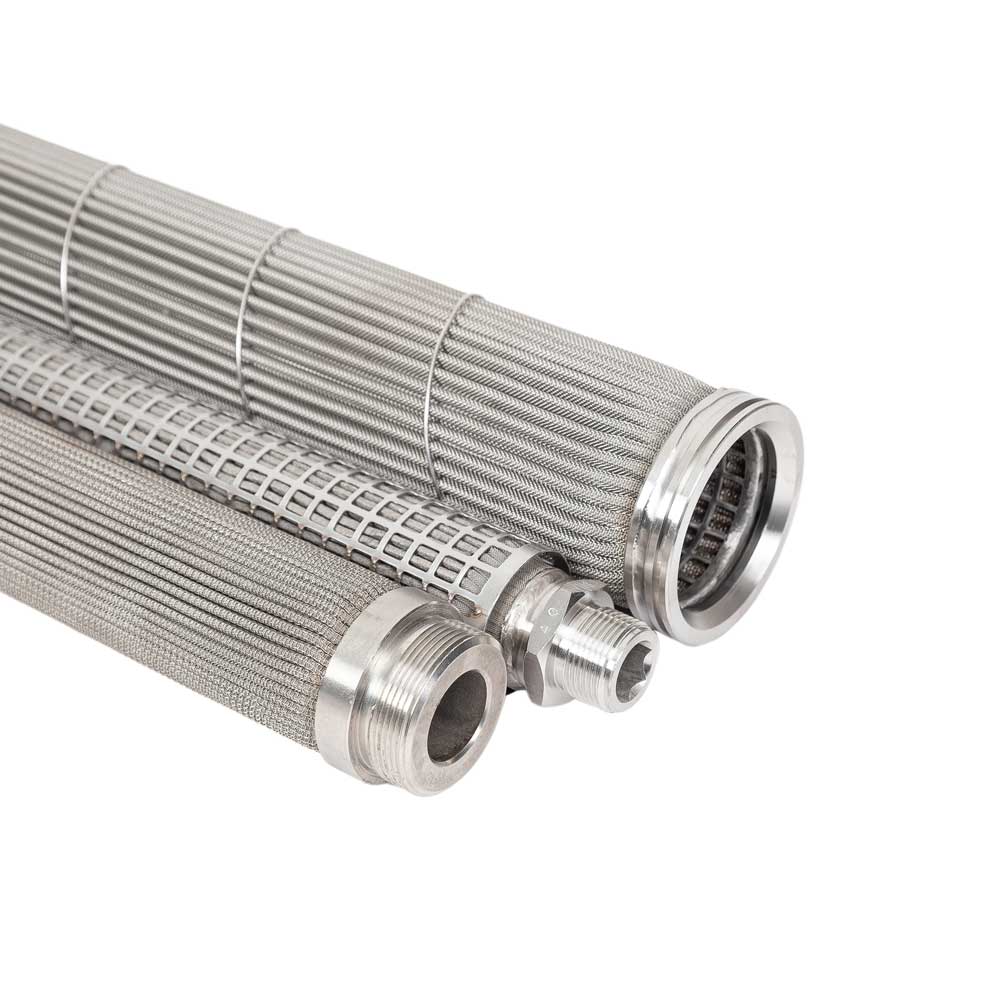
Four methods dominate in polymer plants. High temperature hydrolysis or vacuum pyrolysis removes organic polymer thoroughly and is the standard for candle filters, but it requires strict temperature control because overheating the stainless fibre permanently damages it. Triethylene glycol or solvent baths are gentler and well suited to polyester and polyamide residues. Ultrasonic cleaning with alkaline solution handles surface loading well. High pressure water or backflushing is cheap and quick but clears only the surface layer and leaves the depth loading in place, which is why it delivers the shortest life extension.
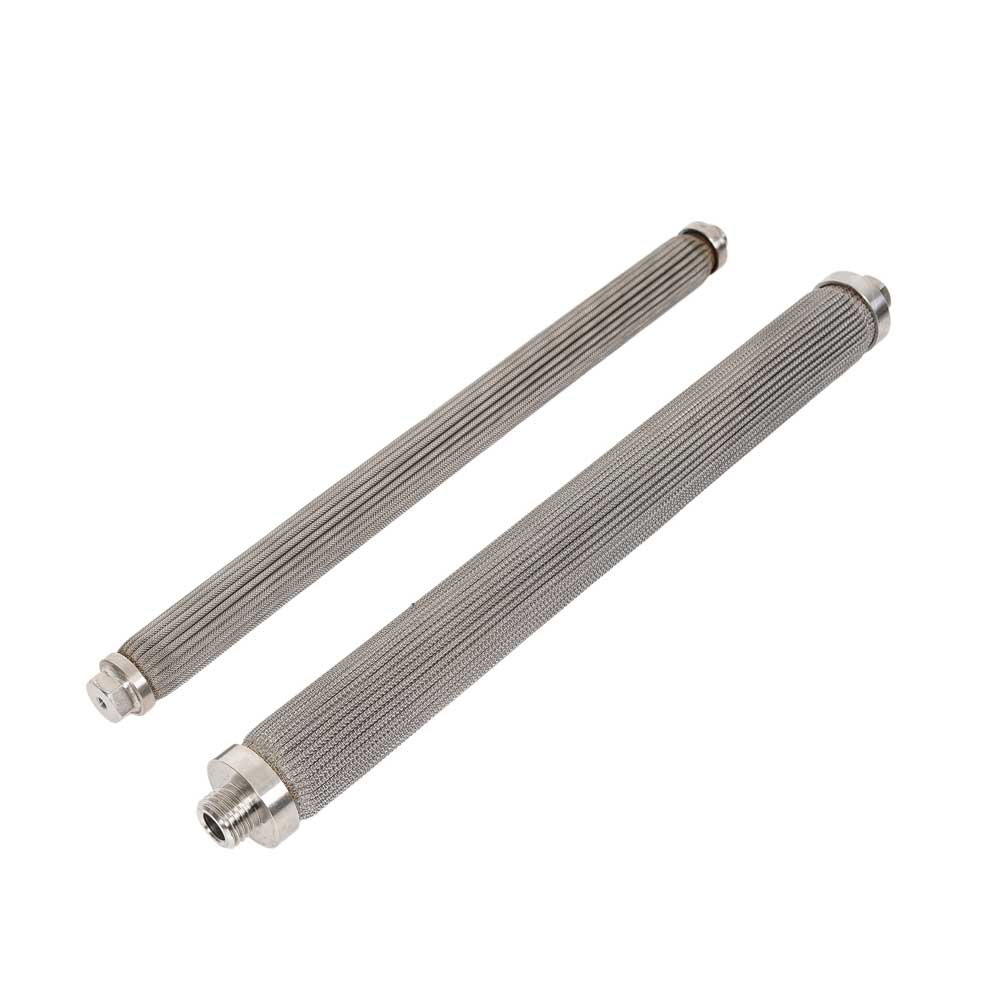
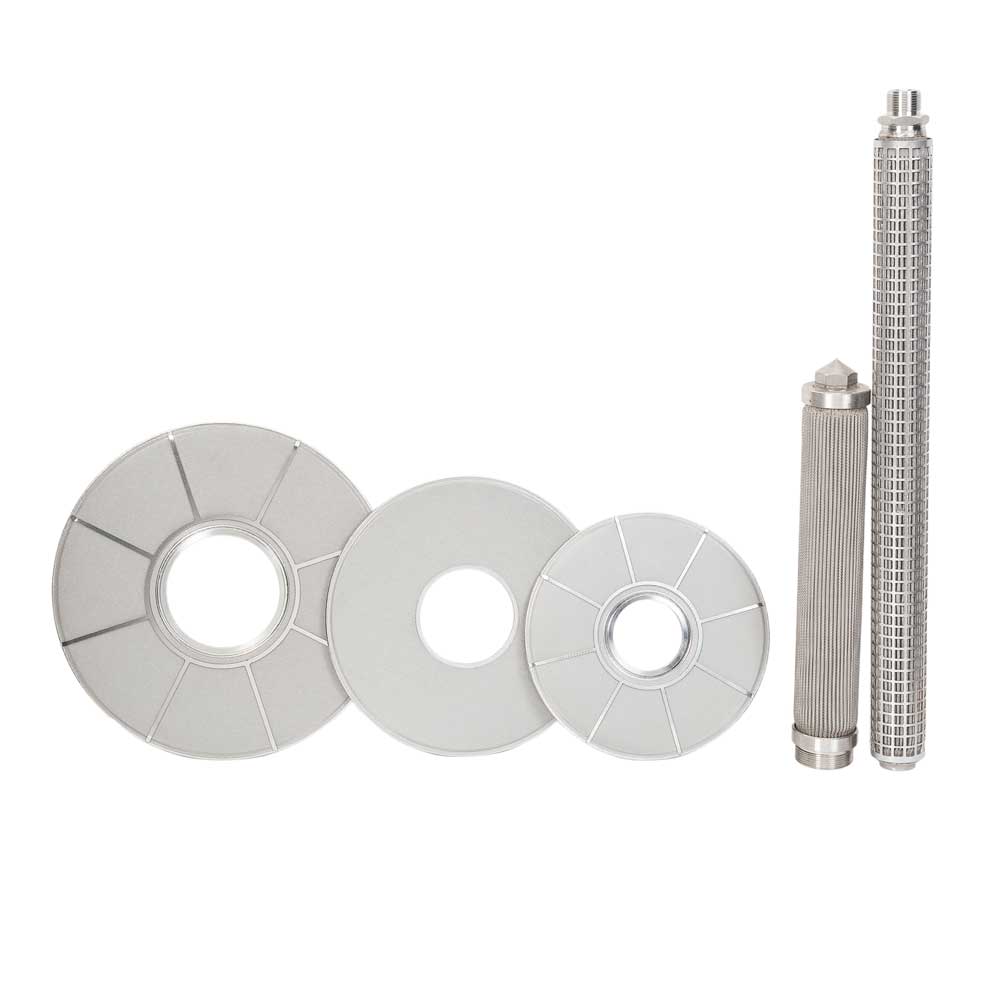
Cost the route properly before choosing. Add the cleaning charge per element, the transport both ways, the element loss rate per cycle, and the inventory you must hold to cover the cycle. A cleaning route that costs thirty per cent of a new element and yields two extra cycles is clearly worth it. One that costs sixty per cent and yields one cycle usually is not, once the extra stock is counted. Purpose built elements such as polymer melt filter elements in SUS 304 are designed for repeated cleaning; ask the manufacturer for the maximum recommended number of cycles in writing and treat that as the planning limit.
Validate Before You Trust a Cleaned Element
A cleaned element is not automatically a good element. Two checks matter. The first is a flow or bubble point test to confirm the media is intact and the pore structure has recovered. The second is a visual and dimensional inspection for collapsed pleats, distorted weave and corrosion at the weld seam. A cleaned element with collapsed pleats will channel, and channelling lets gel straight through into the film, which is far more expensive than the element you saved.
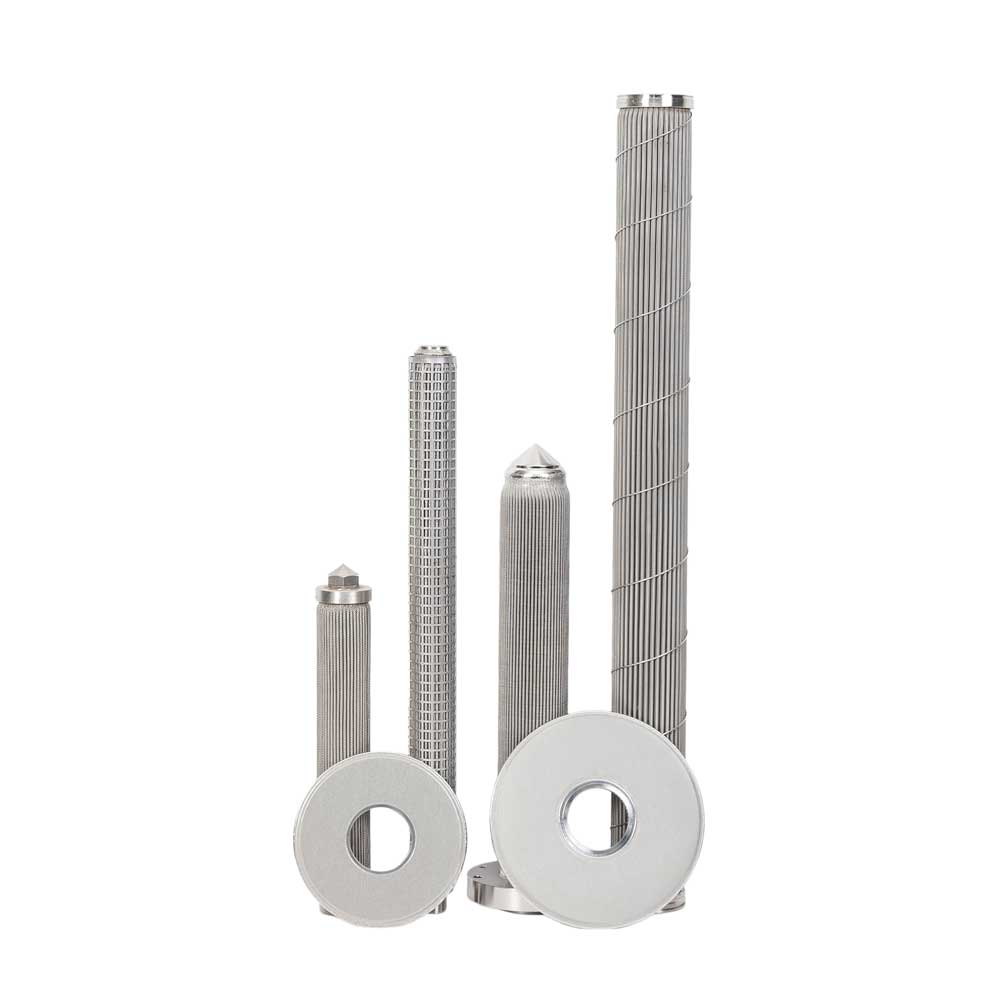
Keep a record per element. Tag each one with an identity number, the number of cycles, the cleaning method and the test result. Plants that do this discover something useful within a season: the true number of viable cycles is usually different from the supplier's estimate, in one direction or the other. Elements built for film lines, such as polymer candle filters for film production, generally tolerate more cycles than general purpose screen packs.
Where Cleaning Never Makes Sense
There are cases where reuse should be ruled out immediately. Fine micron ratings below about ten microns rarely recover their original flow. Applications with a tight gel count specification, such as optical or capacitor grade film, cannot accept the risk. And any element that has been exposed to a process upset, a thermal excursion or a pressure spike should be scrapped rather than cleaned, because the media damage is internal and invisible, and it fails on the line rather than in the bath.
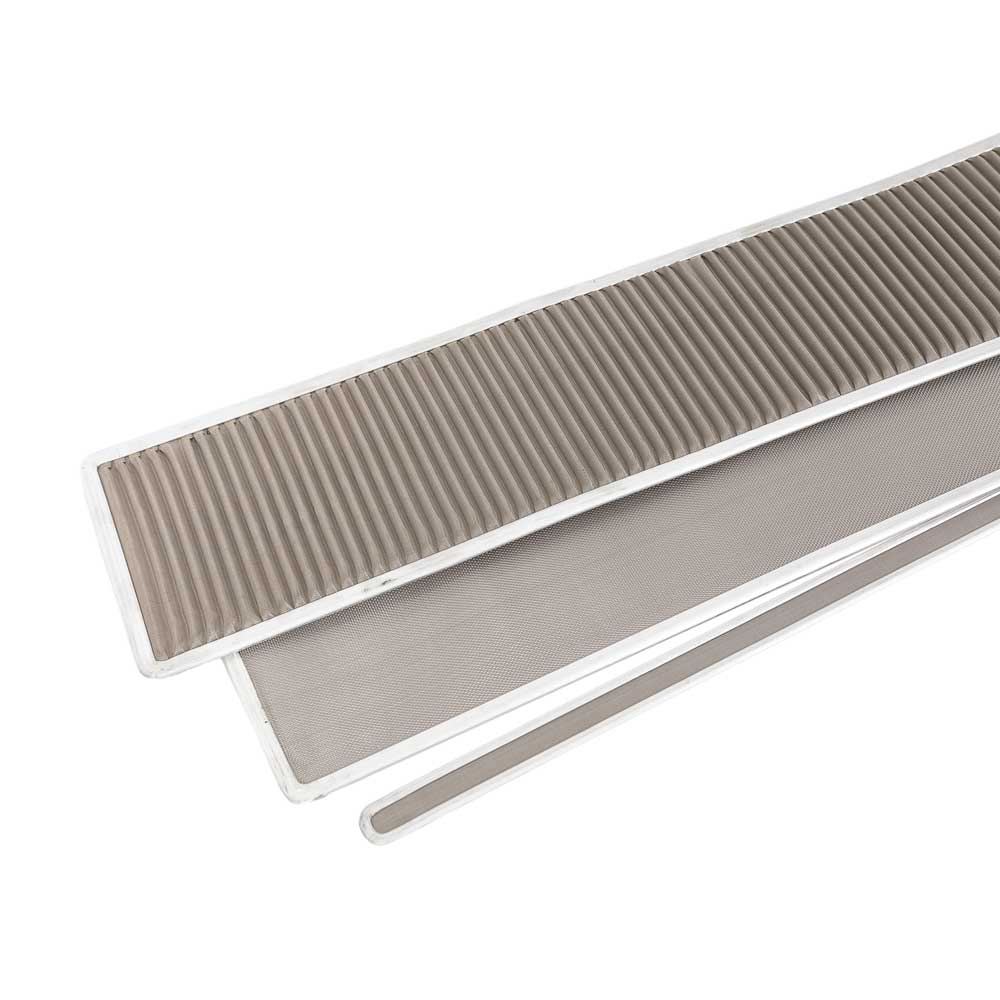
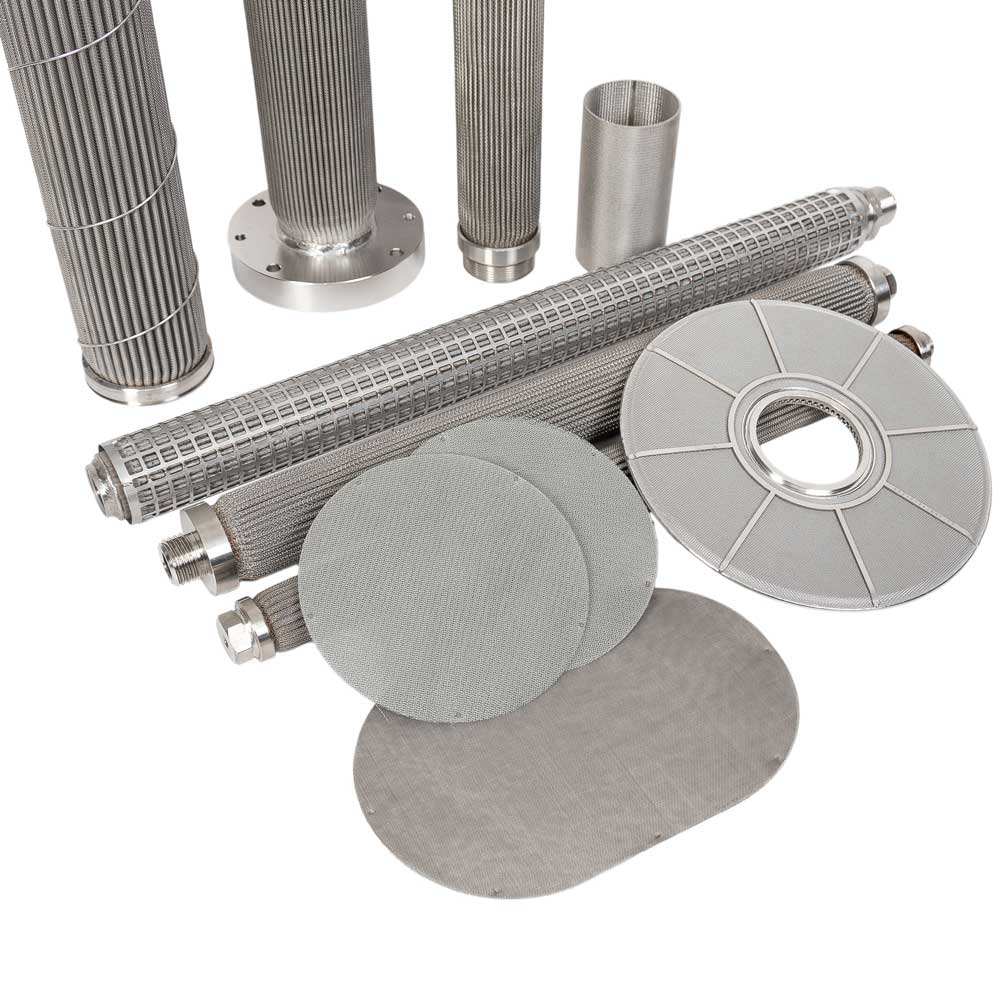
In these cases the saving should come from design instead. A customised pleated candle filter cartridge increases surface area and therefore service life without changing the micron rating.
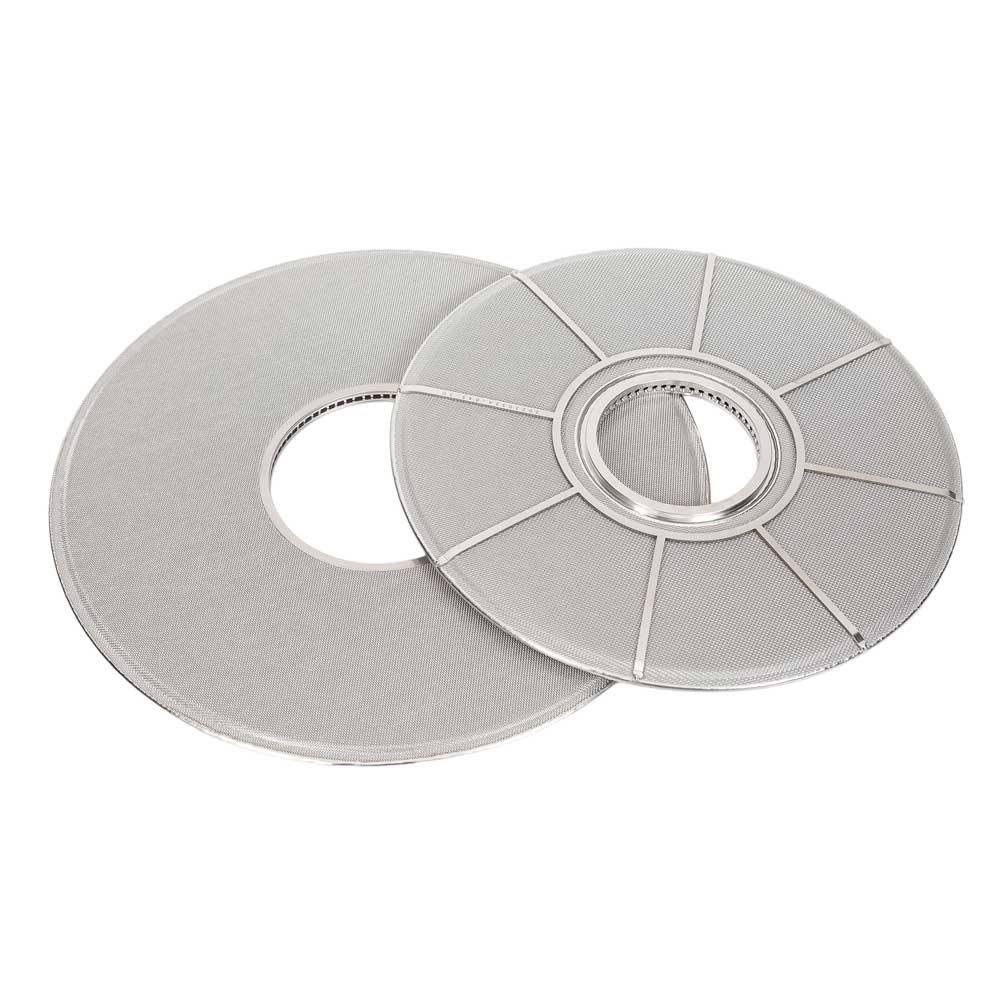
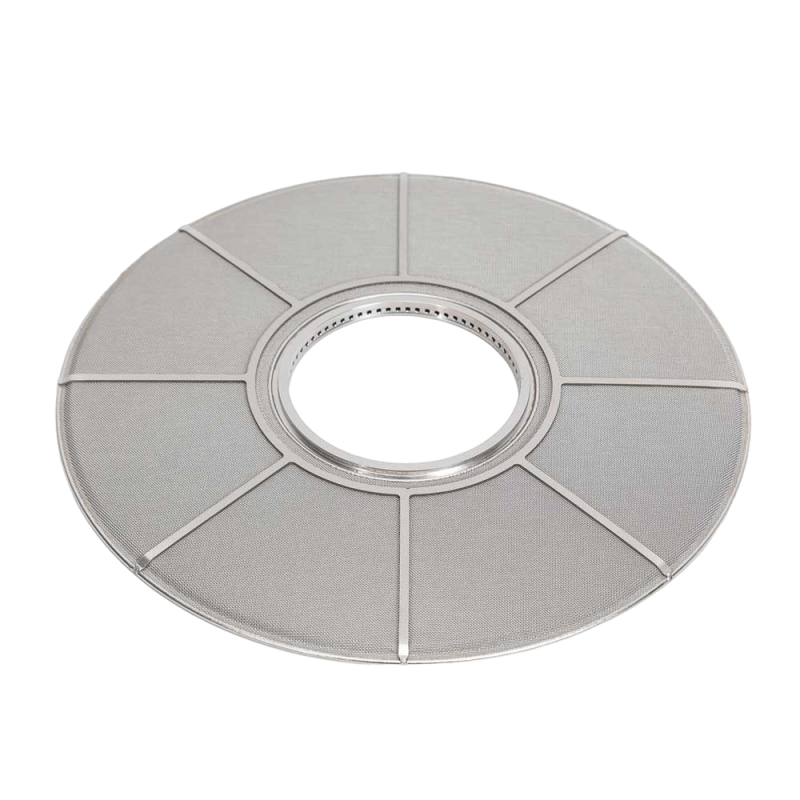
Adding a coarser pre filtration stage ahead of the main filter, using extruder screen mesh filters, takes the bulk loading earlier where the media is cheapest.
The Checklist for a Cleaning Programme
- Contaminant type identified and logged against each pressure curve.
- Cleaning method matched to the contaminant, with temperature limits observed.
- Cost per cycle including transport, loss rate and the extra inventory held.
- Flow or bubble point test on every cleaned element before it returns to stock.
- Visual inspection for pleat collapse, weave distortion and weld corrosion.
- Per element record of cycles, method and test result.
- Scrap rule for any element exposed to a thermal or pressure excursion.
The Bottom Line
Cleaning is not automatically cheaper; it is cheaper under specific conditions. Identify the contaminant first, cost the full cycle including the stock you must hold, test every cleaned element before it goes back on the line, and scrap anything that has seen an excursion. Plants that work this way spend less on filtration and, more importantly, stop losing production to gel breaks that a saved element caused.