
Seals, Housing Fit and Changeout Procedure: Preventing Leaks and Pressure Spikes on Polymer Filter Changes
A film plant in northern Italy changed a Candle Filter bundle on a scheduled shutdown at 06:00. The crew followed the interval rather than the procedure. On restart the flange began weeping melt within four minutes, and the controller logged a 40 bar pressure spike that destroyed the gear pump seal. The line stood for two hours and eleven minutes. The filter was not the cause: the changeout was, and every minute of it was avoidable.
Seal Material Selection by Polymer and Temperature
Seal selection is a temperature and polymer decision first. Flexible graphite runs to about 450 °C continuously and is the default on PET and polyamide lines, because it relaxes into seat imperfections. PTFE is chemically inert but creeps above roughly 200 °C and cold flows under bolt load, which shows up as a weep hours into the run. Copper crush rings seal beautifully and must be treated as single use only.
Match the material to the polymer, not to the catalogue. Polyolefins at 220 to 260 °C are forgiving; PET at 285 °C is not, and a PTFE envelope that survives PE will fail on PET inside one campaign. Spiral wound gaskets suit flanges above 150 bar. A polymer melt filter element in SUS 304 should ship with the gasket material and temperature rating on the datasheet.
Cleaning the Seat and Torquing in a Cross Pattern
Never reuse the old seal. A used gasket has taken a compression set and will not recover, and a used copper ring has already yielded. Clean the seat with a brass or copper scraper, never a steel blade, then wipe with a lint free cloth. One scratch across the sealing face is a leak path at 200 bar.
Torque in a cross pattern in three stages: 30 percent, 60 percent, then full value, working opposite bolts in sequence. For grade 8.8 studs the working figures land near 190 Nm on M16, 370 Nm on M20 and 640 Nm on M24; confirm against the housing drawing, because aluminium housings need less. Then re-torque after the first heat cycle. Most flange weeps appear there, as the gasket relaxes.
Pre-Heat and Soak Time Before the Bundle Sees Melt
The bundle must be at temperature before melt arrives. Bring the housing to within 50 °C of process temperature and soak it: a minimum of two hours for a standard housing, four hours above 300 kg. Rushing the soak is the second most common cause of the spike, because cold steel freezes melt on contact, and the controller sees a wall.
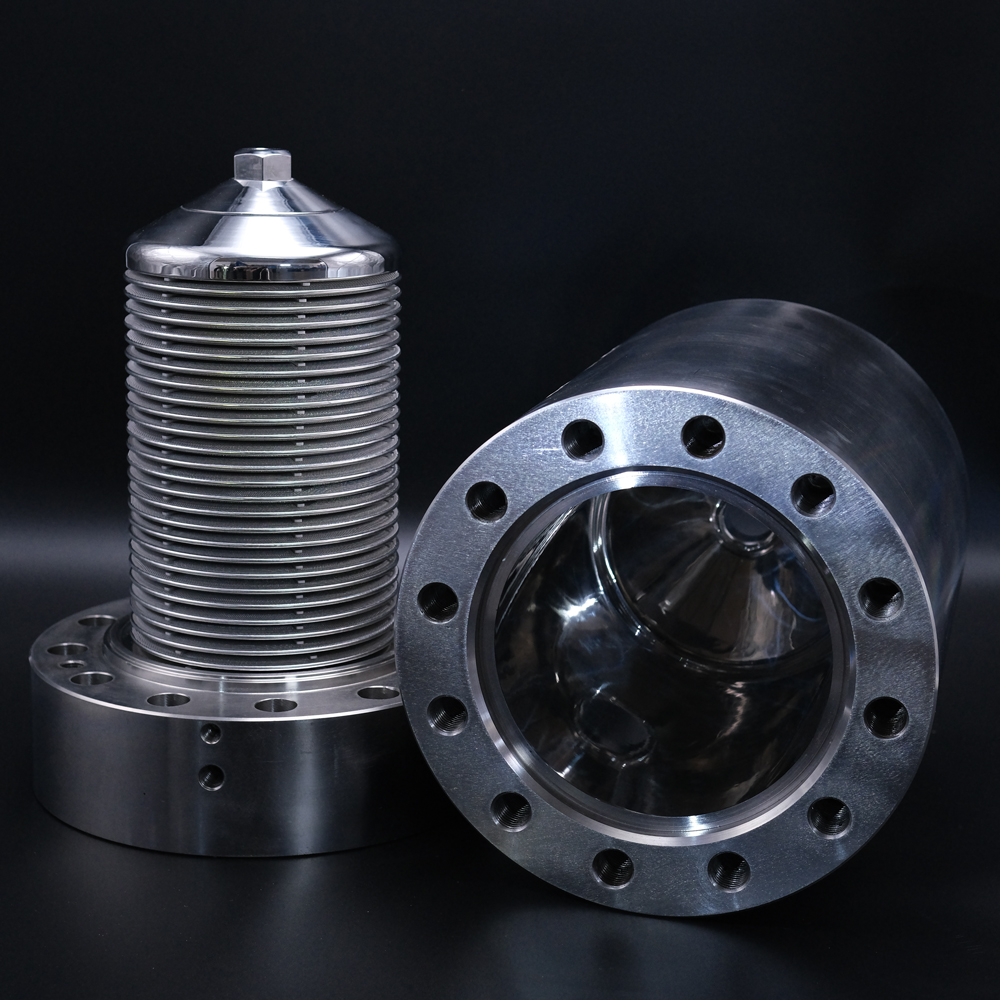
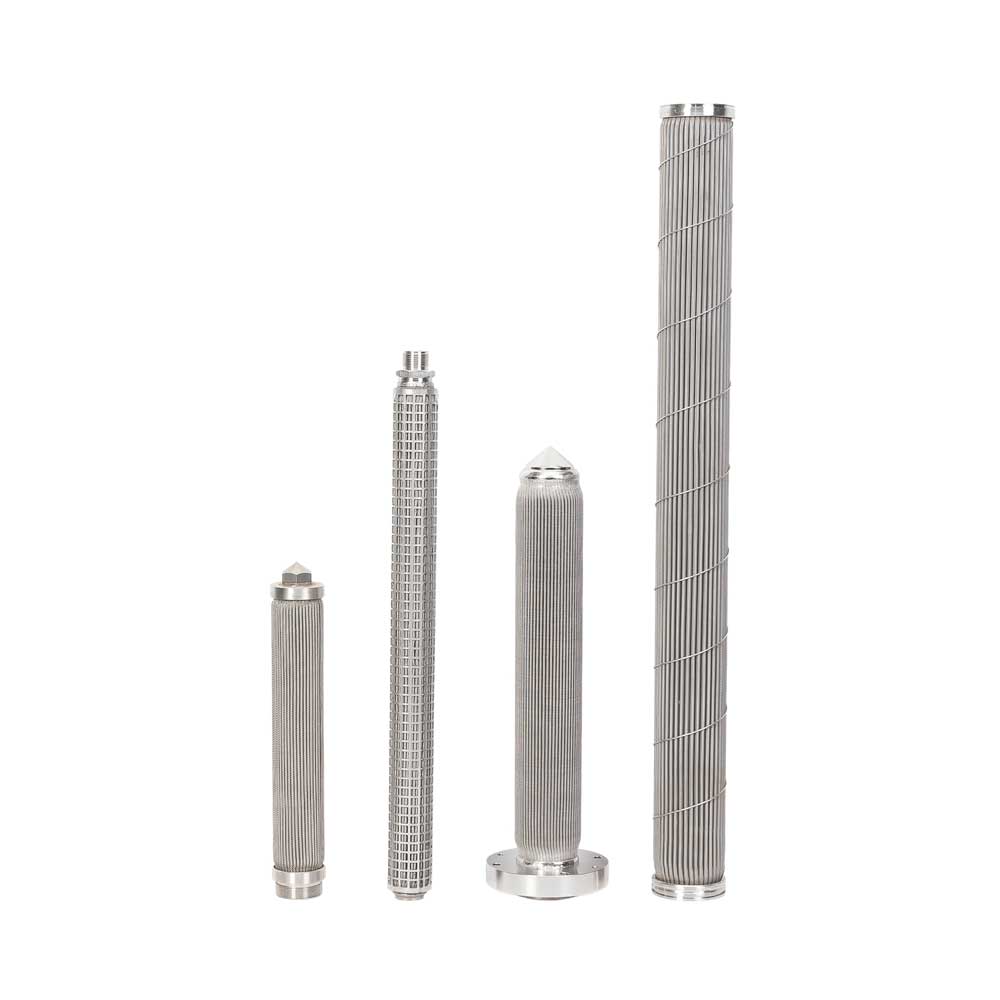
A polymer candle filter assembly for film production is a large thermal mass around a narrow gap, so the soak matters more than on a screen changer. Record skin temperature at two points and do not open the inlet valve until both read inside tolerance. Faster band heating does not shorten the soak; it only overheats the shell.
Restart Ramp: Screw Speed First, Then Throughput
Restart order decides whether you see a spike. Raise screw speed first, then throughput. Bring the screw to around 30 percent of nominal rpm and hold until melt appears at the vent, then step throughput up in 10 percent increments with five minute holds. Watch the rate of change rather than the absolute value: anything faster than about 10 bar per minute is what breaks pump seals.
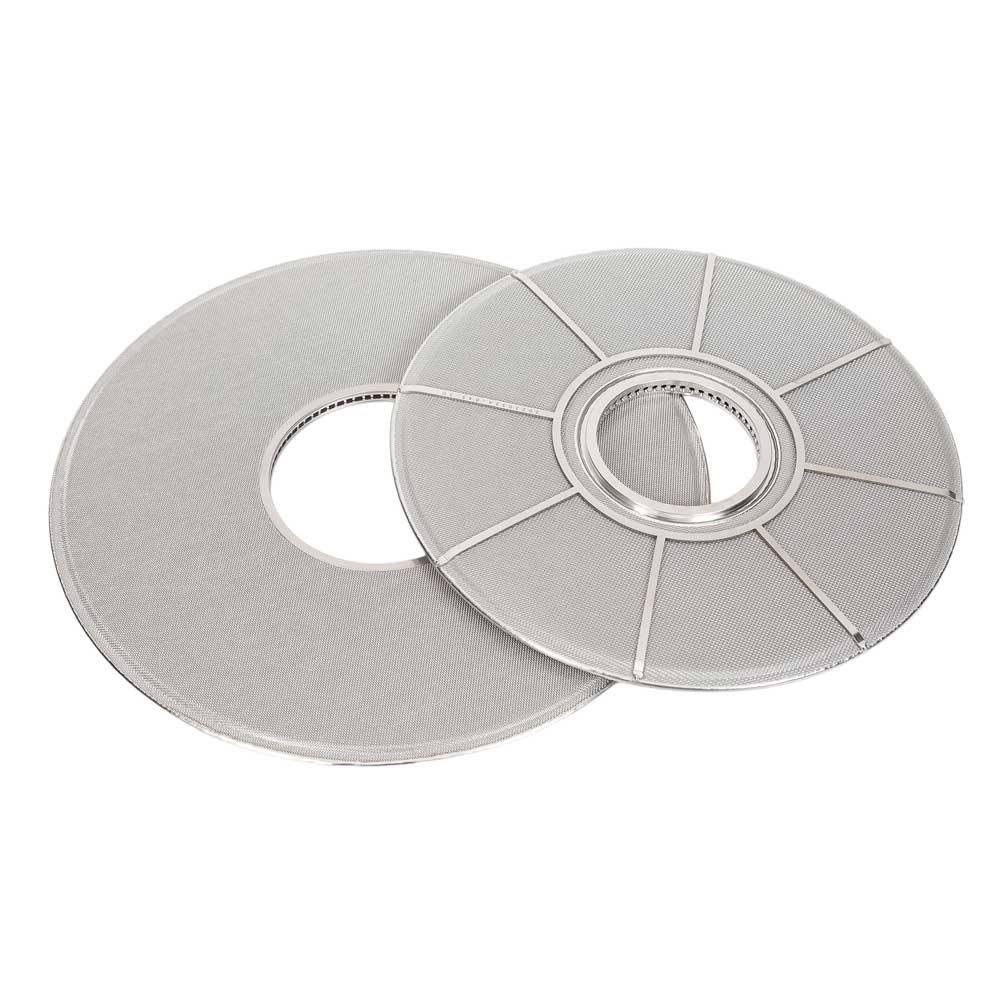
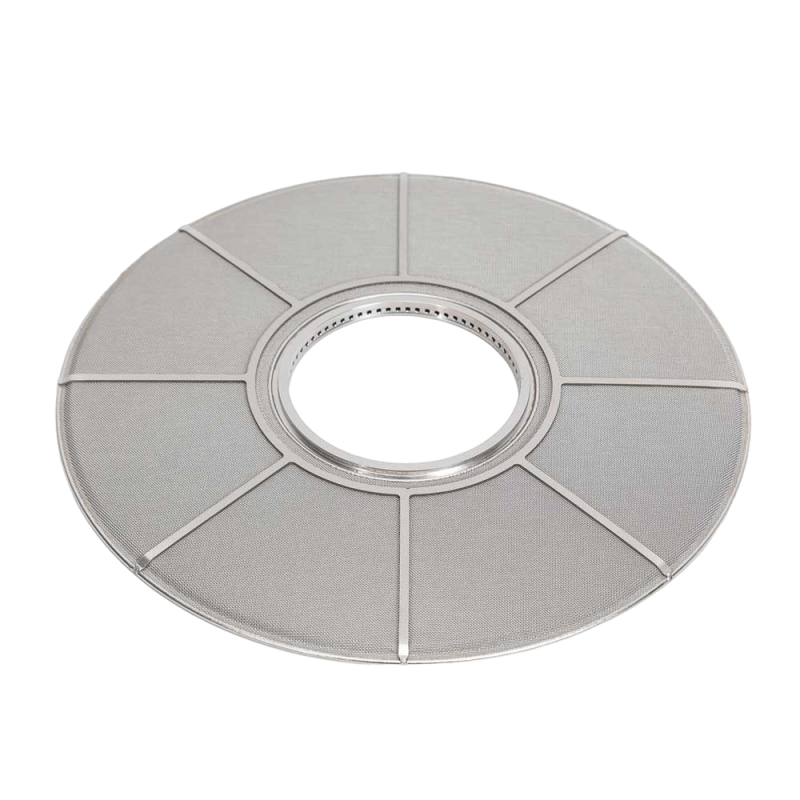
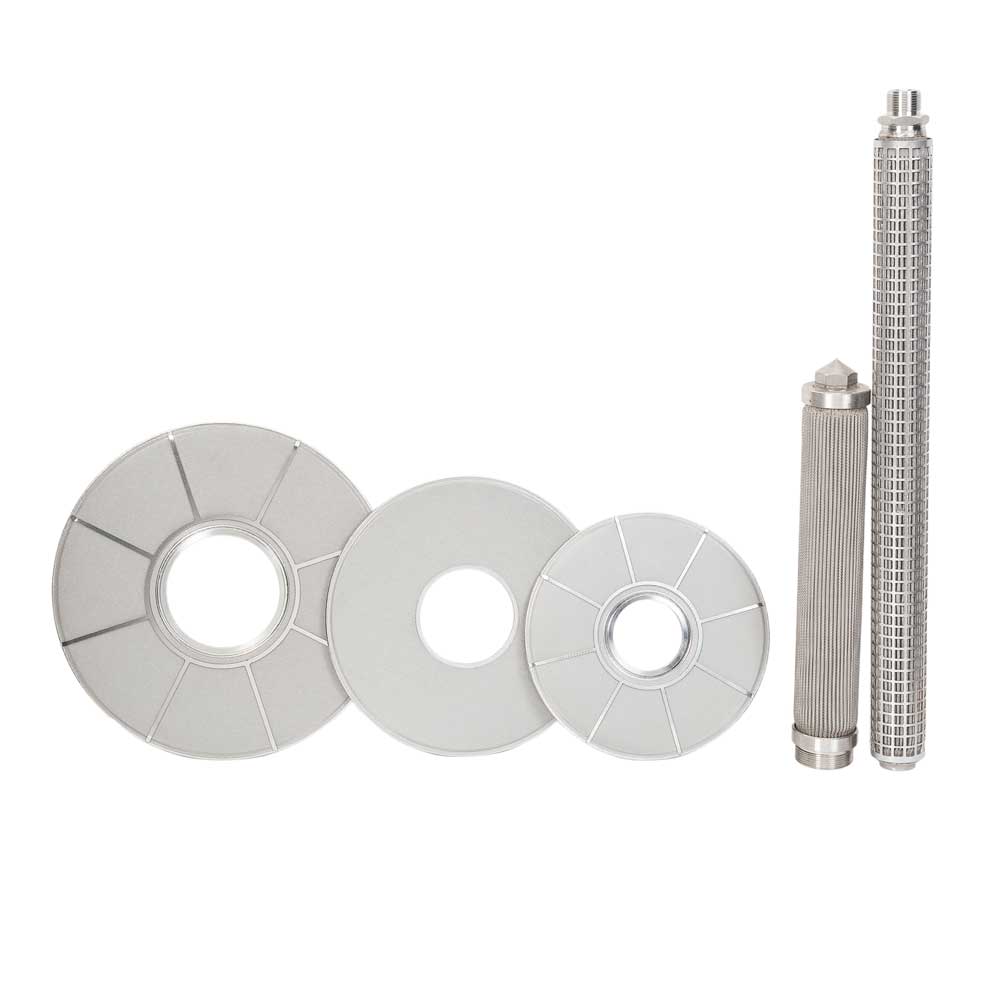
Vent and purge before you call the change complete. Open the vent at the top of the housing, purge until the stream runs clean and bubble free, then close it and re-check torque. Trapped air compresses, then expands into a transient the moment the melt front passes it. A polymer extruder screen mesh filter change follows the same rule at smaller scale, and skipping the vent costs pumps there too.

Housing Fit and Element Length Tolerance
Fit is measured in millimetres and paid for in leaks. Ask the supplier to state the length tolerance, ±0.5 mm to ±1.5 mm, and check housing depth against stack height before assembly. A bundle that is 2 mm short leaves a bypass path at the seat and unfiltered melt reaches the die; one that is 2 mm long binds on closing and can crack the seat or buckle the element.
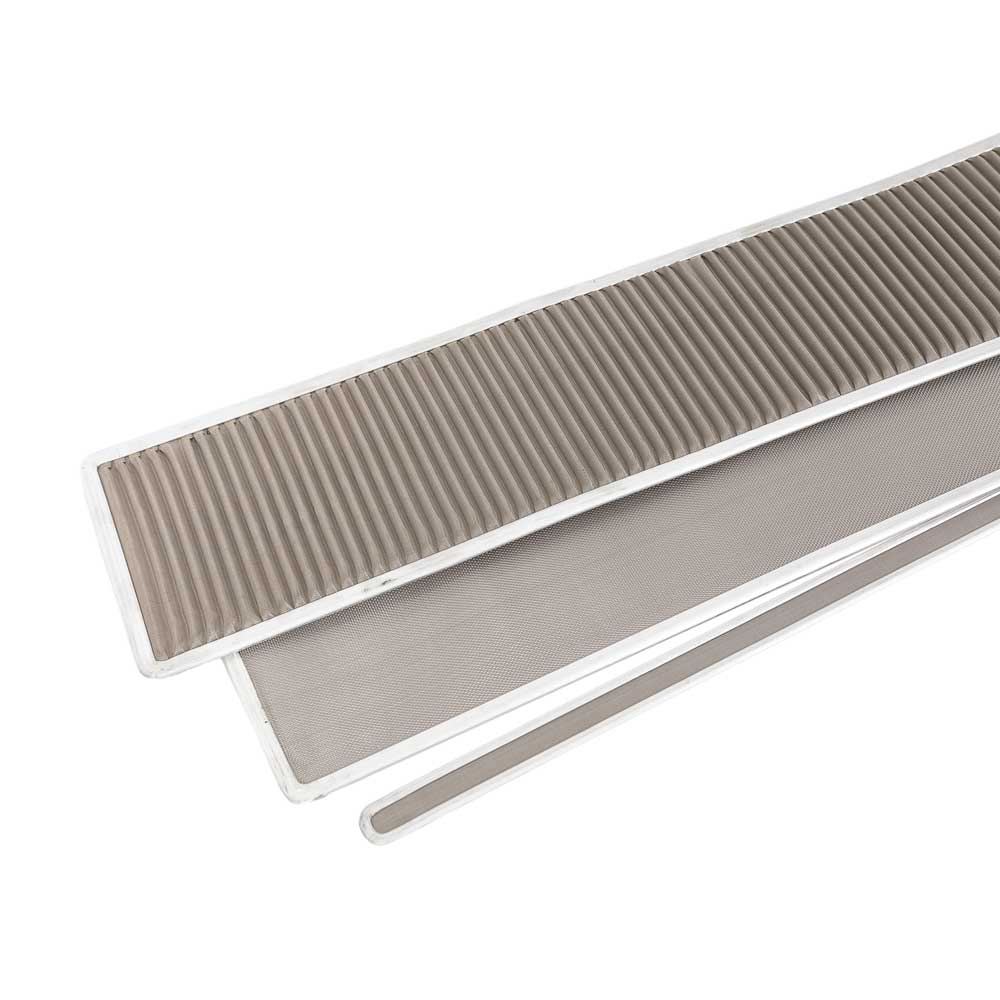
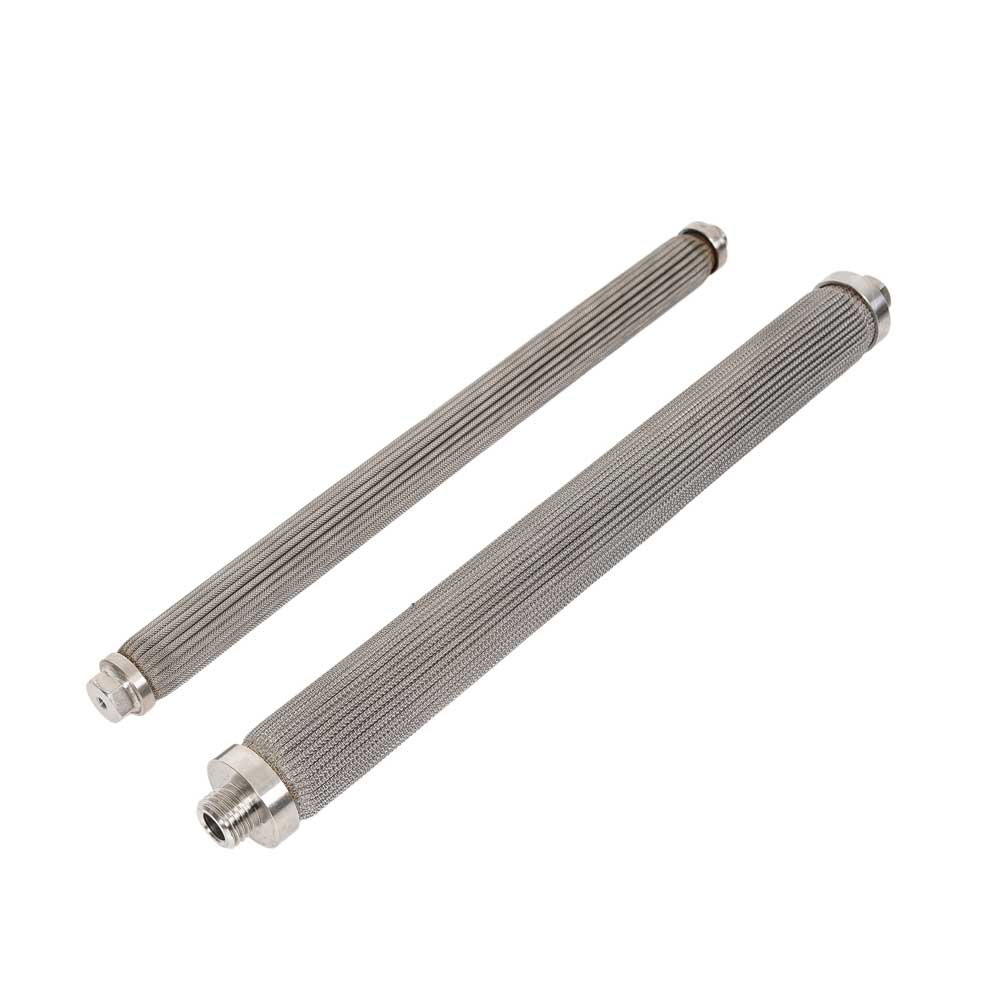
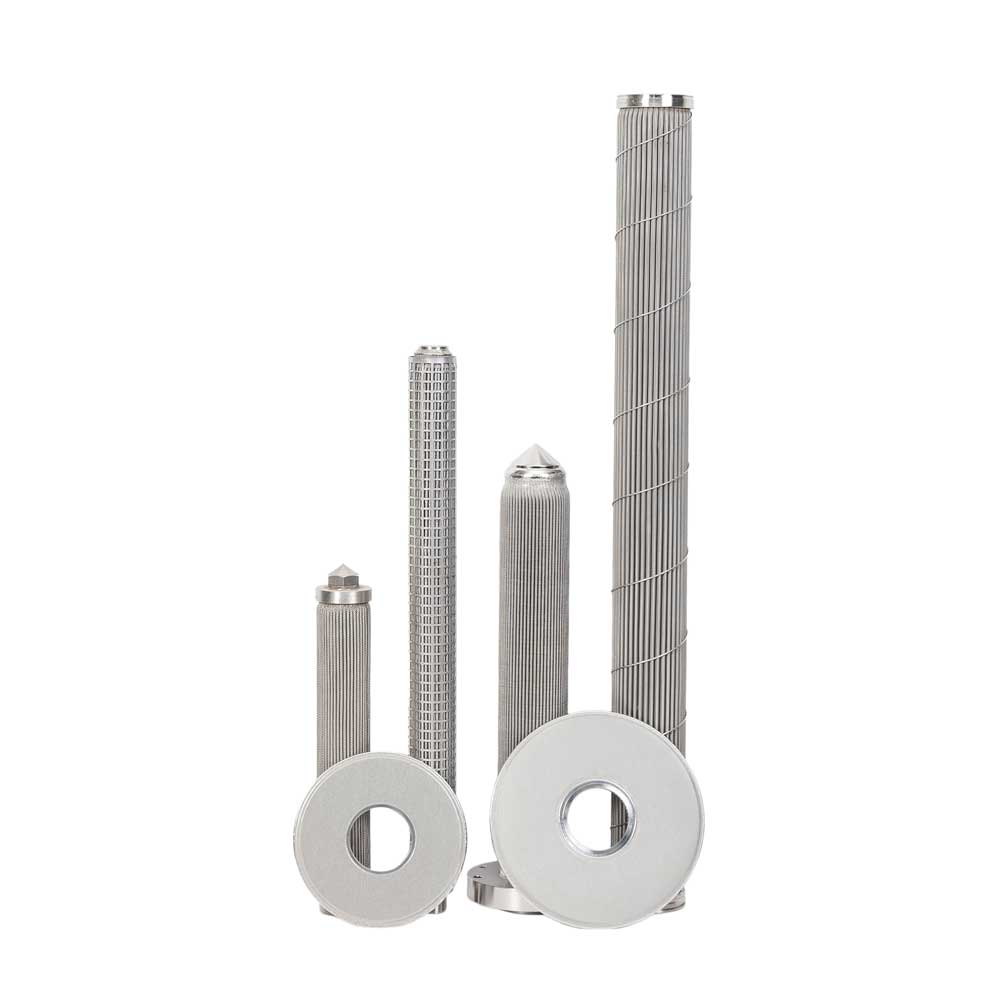
A customised pleated candle filter cartridge should be ordered against the housing drawing, with length and end cap stated, not a part number. Measure three elements from every batch and record the figures, because a drift in length is drift in the tooling.
Baseline Curve and the Written Changeout SOP
Record a startup pressure curve on every change and keep it. Log pressure at 0, 5, 15 and 30 minutes against screw rpm and throughput, and file it by polymer grade and bundle type. A curve sitting more than 10 percent above the previous baseline means the bundle is mis-seated, the grade is wrong, or the pre-heat was short.
Write the procedure down and make it a sign-off, not a habit passed between shifts.
- Seal: material, temperature rating, batch, and confirmation it is new.
- Seat condition: cleaned with a non-ferrous scraper, inspected, no scoring.
- Torque record: bolt size, three-stage cross pattern values, re-torque after heat cycle.
- Pre-heat: housing skin temperature at two points and soak time logged.
- Dimensions: element length and stack height against the drawing.
- Startup curve: pressure at 0, 5, 15 and 30 minutes, signed by the shift lead.
The Bottom Line
Filter failures on restart are assembly failures, not filtration failures. Fit a new seal matched to polymer temperature, torque in three cross-pattern stages, soak the housing to within 50 °C, ramp screw speed before throughput, and log the startup curve. Skip the soak or the ramp and you will buy a gear pump seal for the price of two hours of downtime.